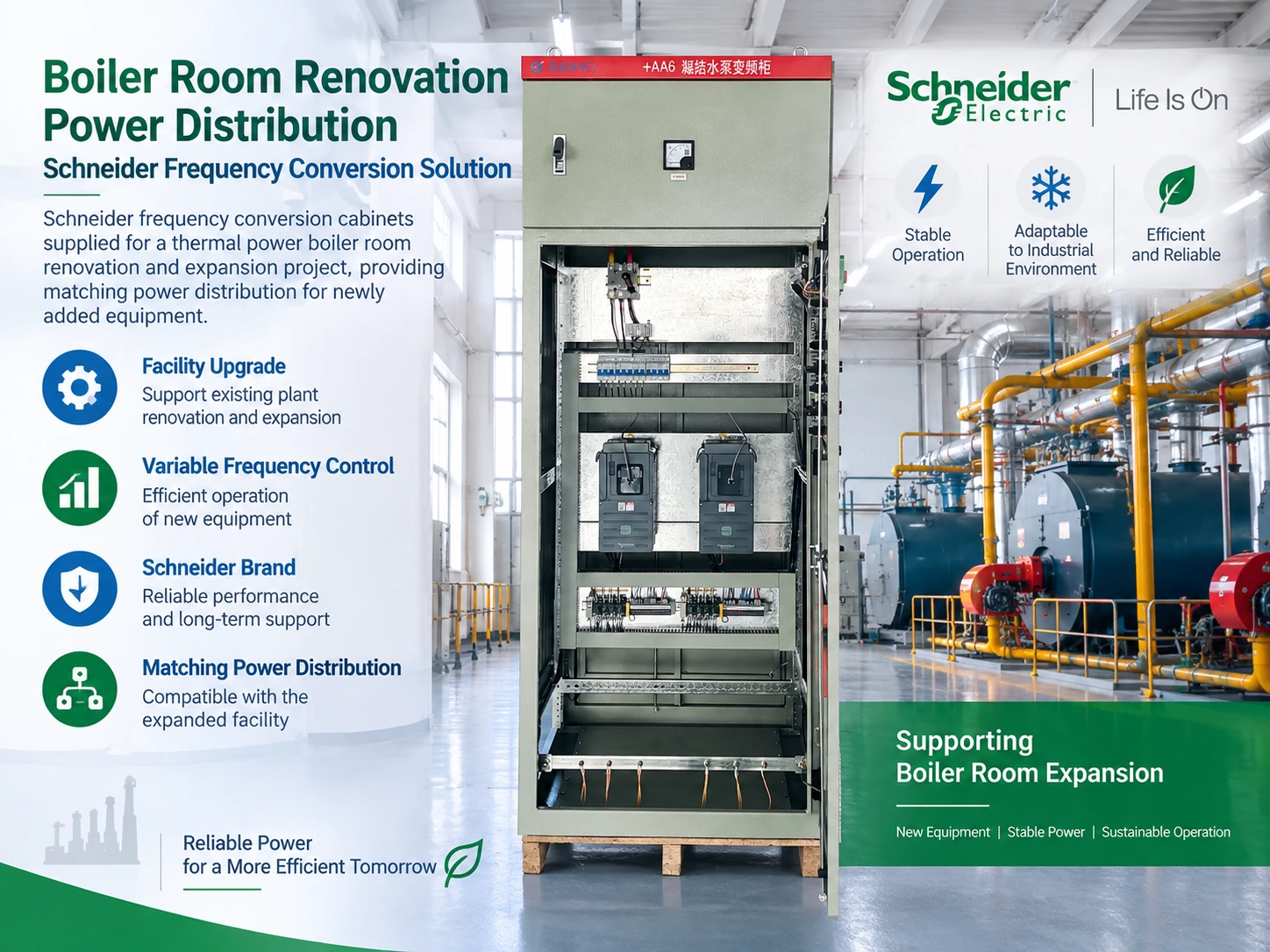
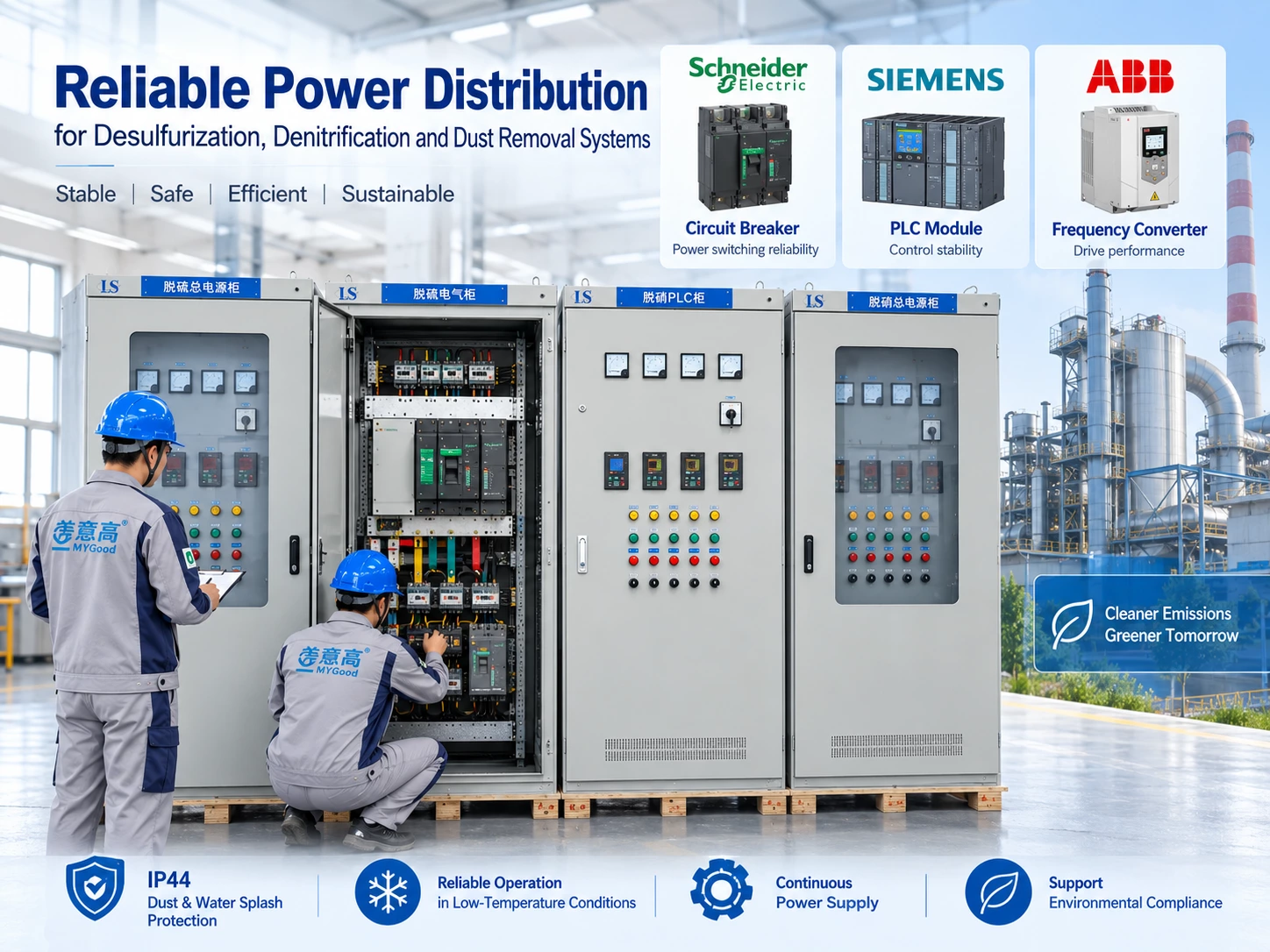
High- and Low-Voltage Switchgear for a Heavy-Duty Stone Crushing Production Line
Subtitle
High- and Low-Voltage Switchgear for a Heavy-Duty Stone Crushing Production Line
Crusher power distribution system reliability is critical in a heavy-duty stone crushing production line. Crushers, conveyors, and dust-control equipment create demanding and continuously changing electrical loads.
For this project in Oman, the electrical solution had to support continuous production. It also needed to address overload protection, short-circuit protection, equipment coordination, and operation under demanding environmental conditions.
The project scope covered power distribution system design, complete high- and low-voltage switchgear supply, auxiliary materials, circuit configuration, protection settings, factory testing, technical documentation, and technical coordination.
The completed solution was developed around the actual operating requirements of the crushing line. It helped provide a stable electrical foundation for the crusher and its supporting production equipment
-
Project Overview: Oman Crusher Power Distribution System
A clear project overview helps both search engines and technical readers understand the real scope of work.
Project Location: Oman
Application: Stone Crushing Production Line
Project Type: Industrial Power Distribution
Supply Scope: High- and Low-Voltage Switchgear and Auxiliary Materials
Service Scope: Design, circuit configuration, protection settings, factory testing, documentation, technical coordination
This crusher power distribution system was not a standard building distribution package. It was developed specifically for a stone crushing production line that operates under continuous heavy-duty conditions.
The core task was to create a complete electrical foundation that could feed the main crushers, supporting conveyors, and dust-control systems without frequent interruptions.
In such projects, the electrical system must match the mechanical process. Any mismatch in capacity, protection, or coordination can quickly stop the entire production line.
The solution therefore focused on system-level design rather than isolated equipment supply. High-voltage and low-voltage switchgear were selected and configured as one coordinated package.
Auxiliary materials, circuit layout, and protection settings were also included so that the delivered equipment could be integrated into the overall plant design with minimal redesign on site.
Factory testing and full technical documentation completed the package. These steps reduced uncertainty for the project team and supported smoother technical coordination during the later stages of the project.
This structured approach is typical for industrial power distribution systems serving continuous-process plants. It places equal weight on equipment performance, protection reliability, and documentation quality.
-
Project Background: Power Requirements of the Oman Crushing Line
Stone crushing production lines place unique demands on any crusher power distribution system.
The main electrical loads come from primary and secondary crushers, long belt conveyors, vibrating screens, and dust-collection equipment. These machines do not operate as steady, predictable loads.
Crushers experience sudden torque peaks when hard rock enters the crushing chamber. Conveyors start under load and often run for long periods with varying material flow. Dust-control fans and bag filters add continuous but sometimes cyclic demand.
Together these loads create a complex electrical profile that differs sharply from ordinary commercial or light-industrial distribution.
A conventional building-style distribution approach is rarely sufficient. The system must be designed around the actual process cycle, starting currents, and possible simultaneous operation of several heavy machines.
Continuous production is another critical factor. Many crushing plants run multiple shifts. Unexpected electrical trips cause not only lost output but also material blockages and restart difficulties.
High ambient temperatures common in the region further increase the challenge. Elevated temperature affects cable ratings, component temperature rise, and the long-term reliability of protection devices.
The crusher power distribution system therefore needed to combine adequate capacity, selective protection, and environmental adaptability from the outset.
Understanding these background conditions was essential before any switchgear configuration or protection setting work began.
-
Key Electrical Challenges for the Crusher Power Distribution System
Four main challenges defined the technical approach for this crusher power distribution system.
Load Characteristics
Heavy-duty crushers produce high starting currents and frequent load fluctuations. The distribution system must supply these peaks without excessive voltage drop or nuisance tripping of upstream devices.
Overload Protection
Overload protection must distinguish between temporary process peaks and genuine sustained overload. Settings that are too sensitive interrupt production. Settings that are too high risk thermal damage to motors and cables.
Short-Circuit Protection
Short-circuit events require fast, selective clearance. The protection scheme must isolate only the faulty circuit while allowing the rest of the crushing line to continue operating wherever possible.
Environmental Adaptability
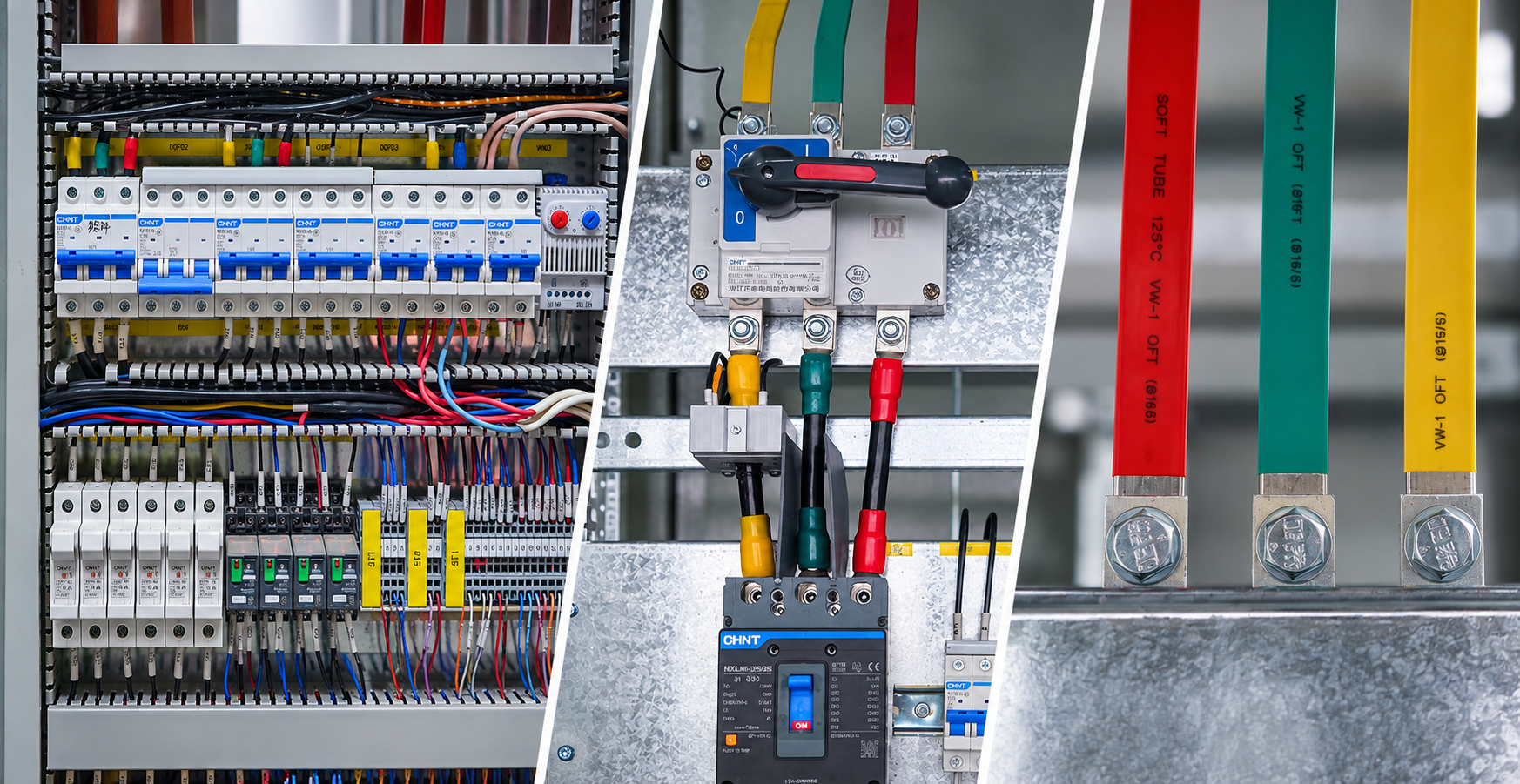
High ambient temperature, dust, and continuous operation place extra stress on enclosures, internal components, and heat dissipation paths. The switchgear design had to account for these real-site conditions rather than laboratory ambient ratings alone.
These challenges cannot be solved by simply increasing the rated current of every breaker. They require coordinated system design that links load studies, circuit arrangement, device selection, and protection settings into one consistent plan.
The crusher power distribution system for the Oman project was developed with exactly this coordinated approach in mind.
-
Crusher Power Distribution System Design for the Oman Project
System design formed the foundation of the entire crusher power distribution system.
The architecture began with clear separation of high-voltage and low-voltage sections. High-voltage switchgear handled the incoming supply and primary distribution. Low-voltage switchgear distributed power to individual crusher motors, conveyors, dust-control fans, and auxiliary services.
Circuit arrangement followed the process layout. Main crusher feeders received dedicated protection and monitoring. Conveyor and auxiliary circuits were grouped according to process zones so that a fault in one area would not shut down unrelated equipment.
Protection coordination was considered at the design stage rather than added later. Incoming breakers, feeder breakers, and motor-circuit protectors were selected so that their time-current curves provided selective operation.
Auxiliary materials such as busbars, control wiring, labeling, and interface terminals were specified as part of the same design package. This reduced the risk of mismatched components during later assembly and installation.
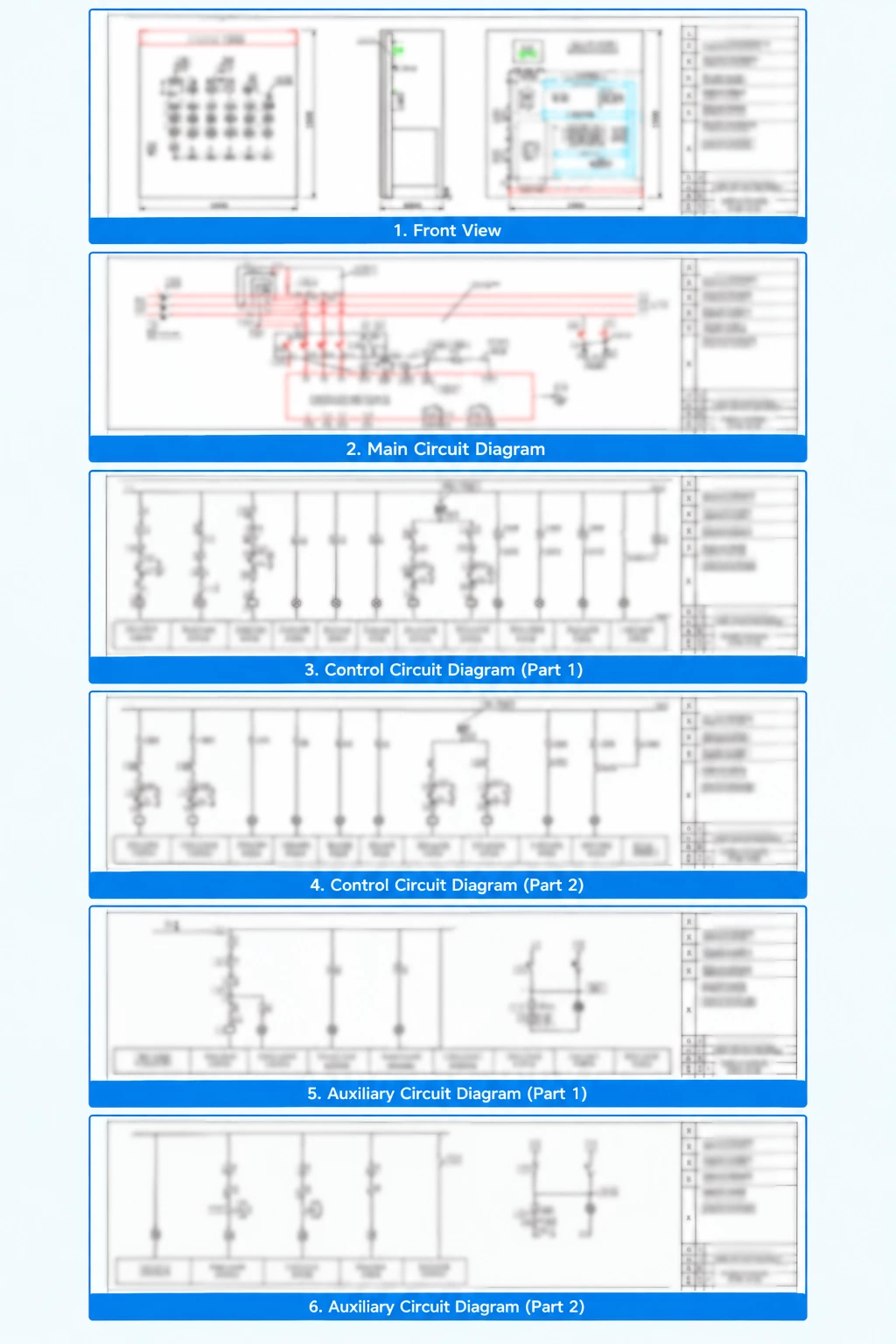
The design process also included technical documentation that recorded the intended circuit functions, protection philosophy, and interface points. Clear documentation supports both factory testing and later site coordination.
By treating the crusher power distribution system as an integrated solution rather than a list of individual cabinets, the design delivered a coherent electrical foundation for the entire crushing production line.
Oman crusher power distribution system single-line diagram
-
High- and Low-Voltage Switchgear for Heavy-Duty Crusher Loads
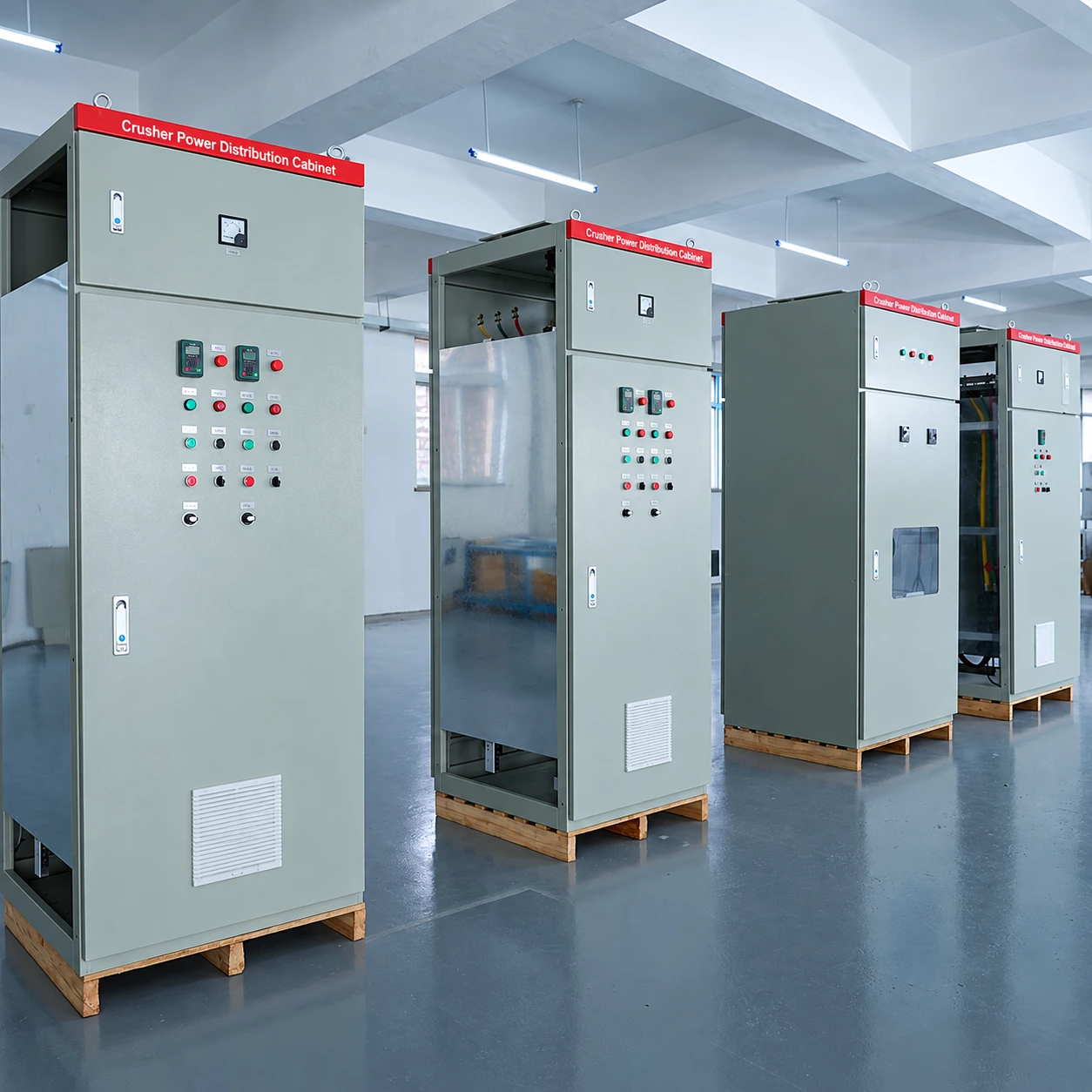
High- and low-voltage switchgear formed the physical core of the crusher power distribution system.
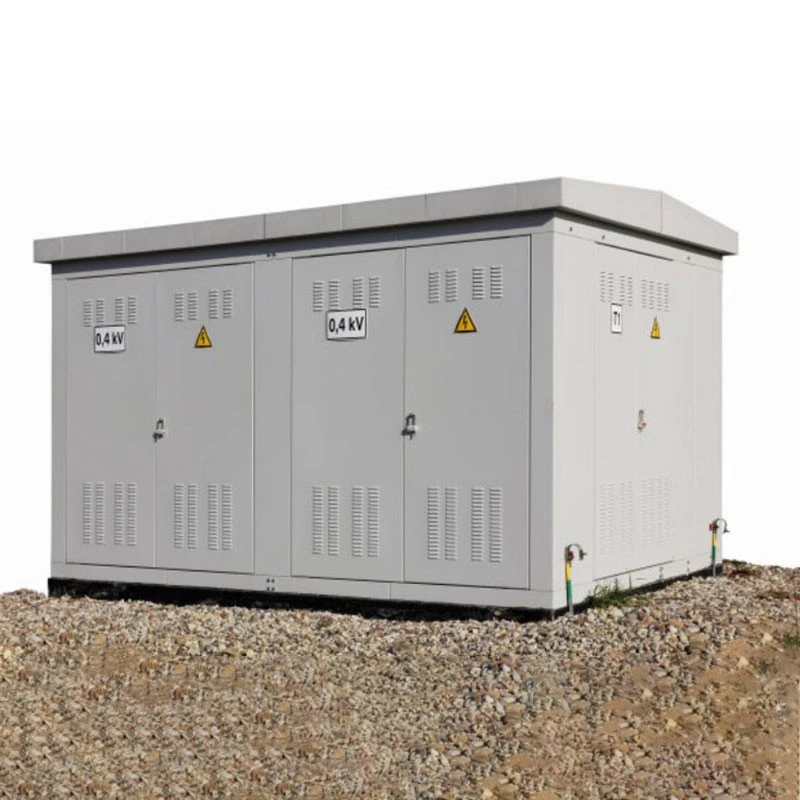
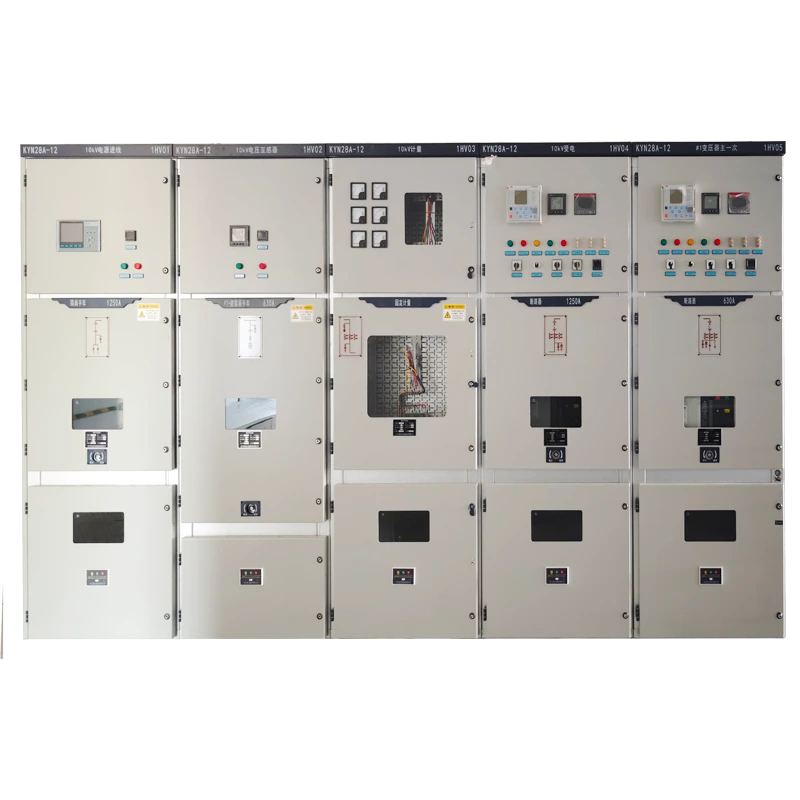
High-voltage switchgear provided the main incoming interface and primary distribution. Metal-enclosed designs suitable for industrial environments were selected to ensure personnel safety and reliable operation under continuous load. For metal-enclosed high-voltage switchgear, reference may be made to IEC 62271-200:2021 .
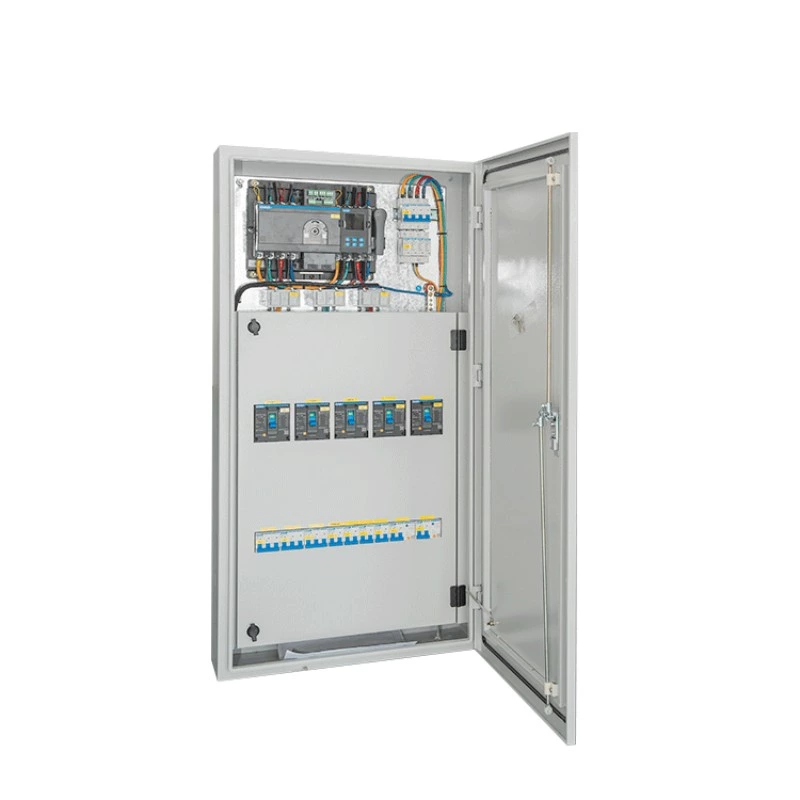
Low-voltage switchgear handled the large number of outgoing feeders required by a complete crushing plant. Incoming circuits, main distribution sections, and dedicated feeders for crushers, conveyors, and dust-control equipment were arranged for clear operation and maintenance access.
Protection devices inside the switchgear were chosen to match the load characteristics of heavy industrial motors. Incoming and outgoing circuits received appropriate short-circuit and overload protection.
Auxiliary power circuits for control, lighting, and small equipment were also integrated so that the plant did not require separate temporary supplies during normal operation.
The combination of high-voltage and low-voltage sections created a complete industrial power distribution system capable of feeding every major electrical consumer on the crushing line.
This configuration supports both the process requirements of the plant and the operational needs of the maintenance team.
-
Overload and Short-Circuit Protection Strategy
Protection strategy is one of the most critical elements of any crusher power distribution system.
Overload protection must allow the temporary high currents that occur during crusher starting and rock impact, while still protecting motors and cables from sustained thermal overload.
Short-circuit protection must clear faults quickly enough to limit damage and maintain selectivity. A fault on one conveyor feeder should not trip the main incoming breaker that supplies the entire plant.
These two protection functions work together through careful selection of circuit breakers, relays, and settings.
Device selection followed recognized standards for low-voltage circuit-breakers. Relevant technical guidance is available in IEC 60947-2:2024, which covers circuit-breakers for rated voltages up to 1 000 V AC and 1 500 V DC.
Coordination studies ensured that the time-current characteristics of upstream and downstream devices provided selective tripping under both overload and short-circuit conditions.
Related guidance for electrical equipment of machines can also be found in IEC 60204-1 .
The protection strategy therefore balanced production continuity with equipment safety. It avoided both nuisance trips and inadequate protection — two common causes of downtime in heavy industrial plants.
-
Design Considerations for High-Temperature Industrial Environments
High ambient temperature is a defining feature of many industrial sites in the region. A crusher power distribution system must be designed with this reality in mind.
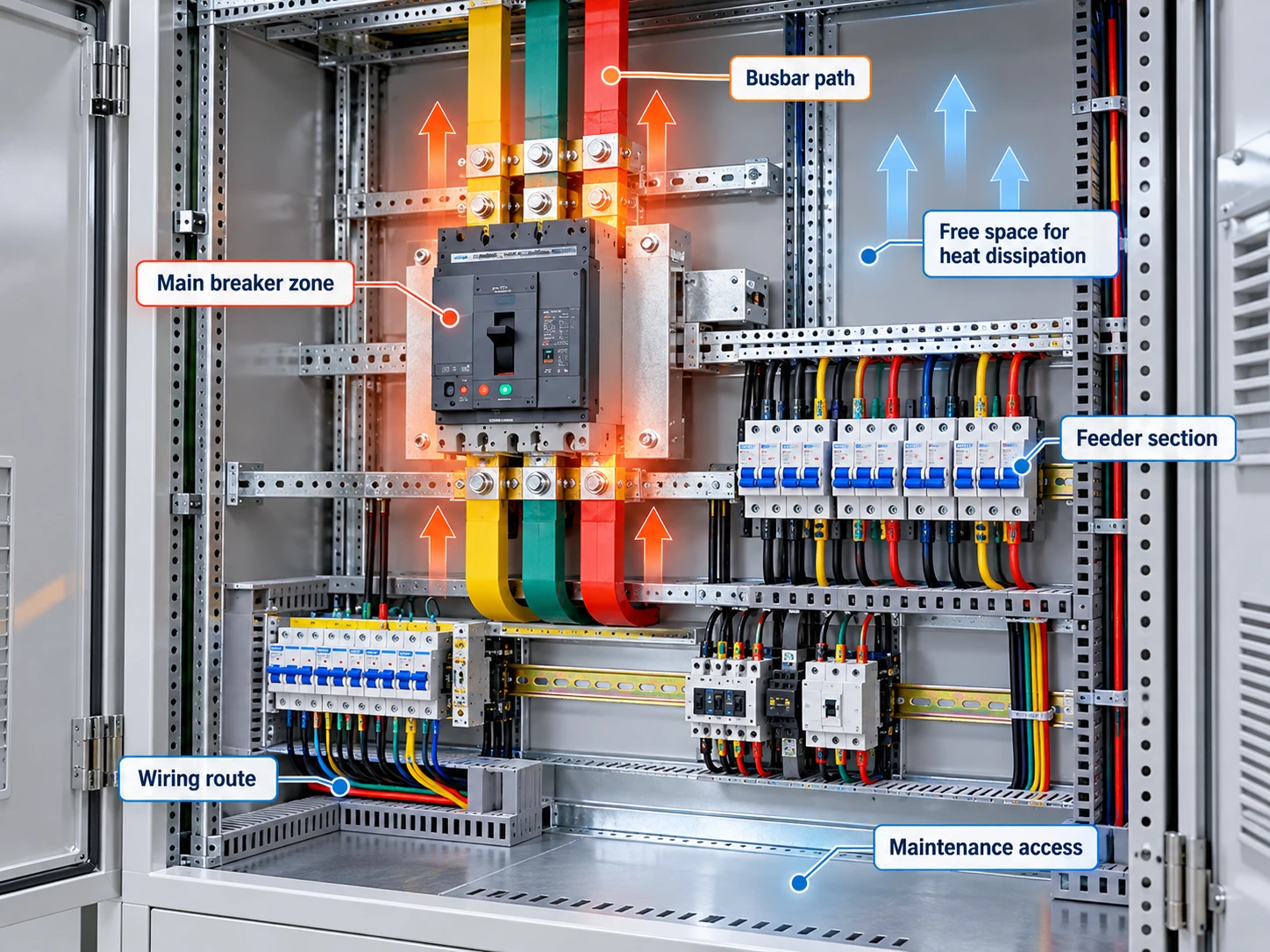
Elevated temperature affects the continuous current-carrying capacity of busbars and cables. It also increases the internal temperature rise inside switchgear enclosures.
Design considerations therefore included adequate heat dissipation paths, ventilation arrangements where appropriate, and component selection that accounts for derating under high ambient conditions.
Enclosure construction followed the general rules for low-voltage switchgear and controlgear assemblies given in IEC 61439-1:2020 and the specific requirements for power switchgear and controlgear assemblies in IEC 61439-2:2020 .
These standards address service conditions, construction requirements, technical characteristics, and verification methods. They provide a recognized framework for designing assemblies intended for industrial environments.
Enclosure protection degrees are defined in IEC 60529 .
The goal was not to claim performance under unverified extreme temperatures, but to apply sound engineering practice that reduces the risk of thermal-related failures during continuous operation.
-
Factory Production and Assembly of the Switchgear
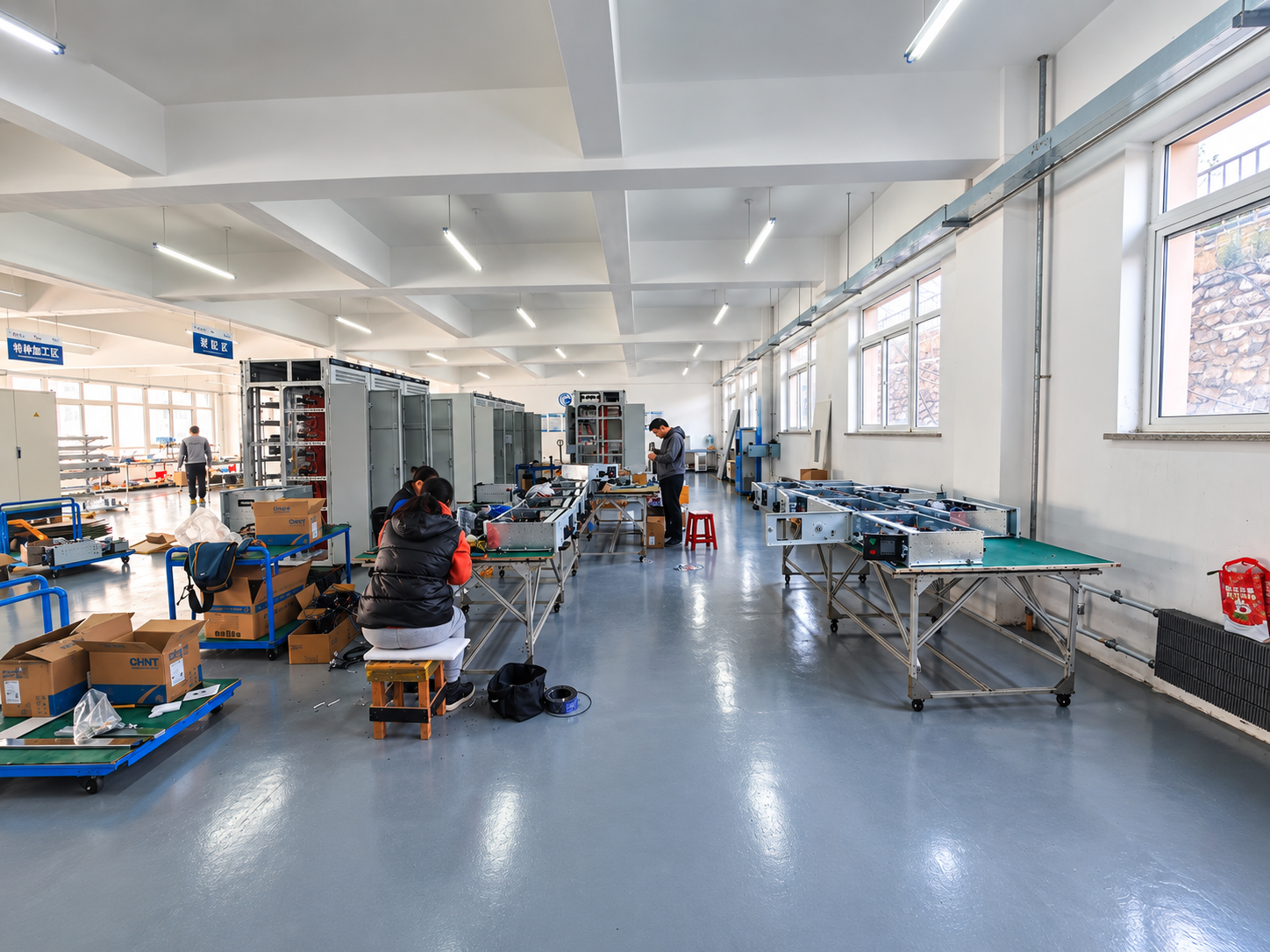
All switchgear for the crusher power distribution system was manufactured and assembled under controlled factory conditions.
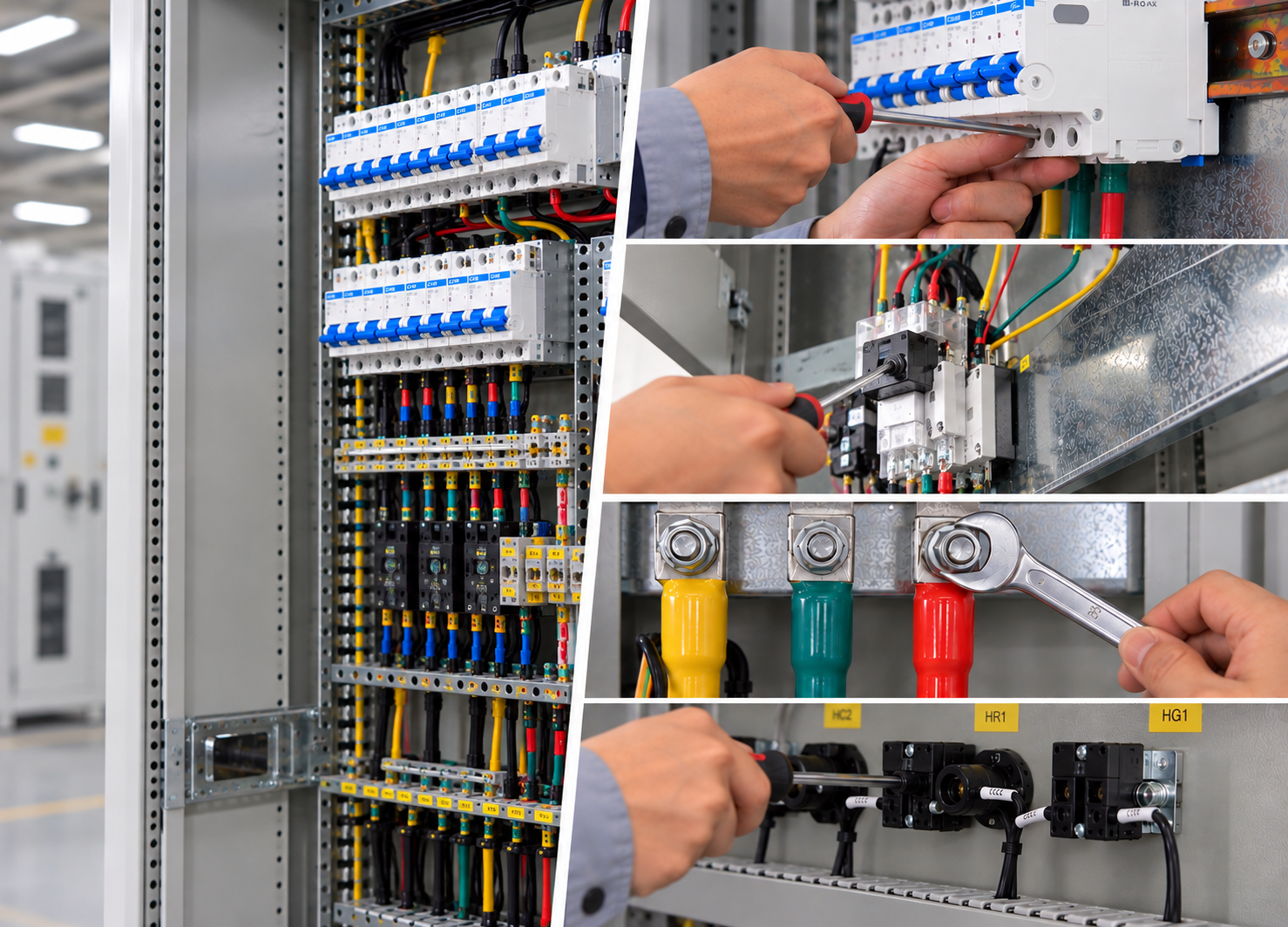
Cabinet manufacturing, component mounting, busbar installation, and internal wiring followed the approved design drawings. Labeling and circuit identification were completed before any testing began.
Factory production allows consistent quality control that is difficult to achieve with on-site assembly. Critical connections can be inspected, torque values verified, and wiring checked against the design before the equipment leaves the factory.
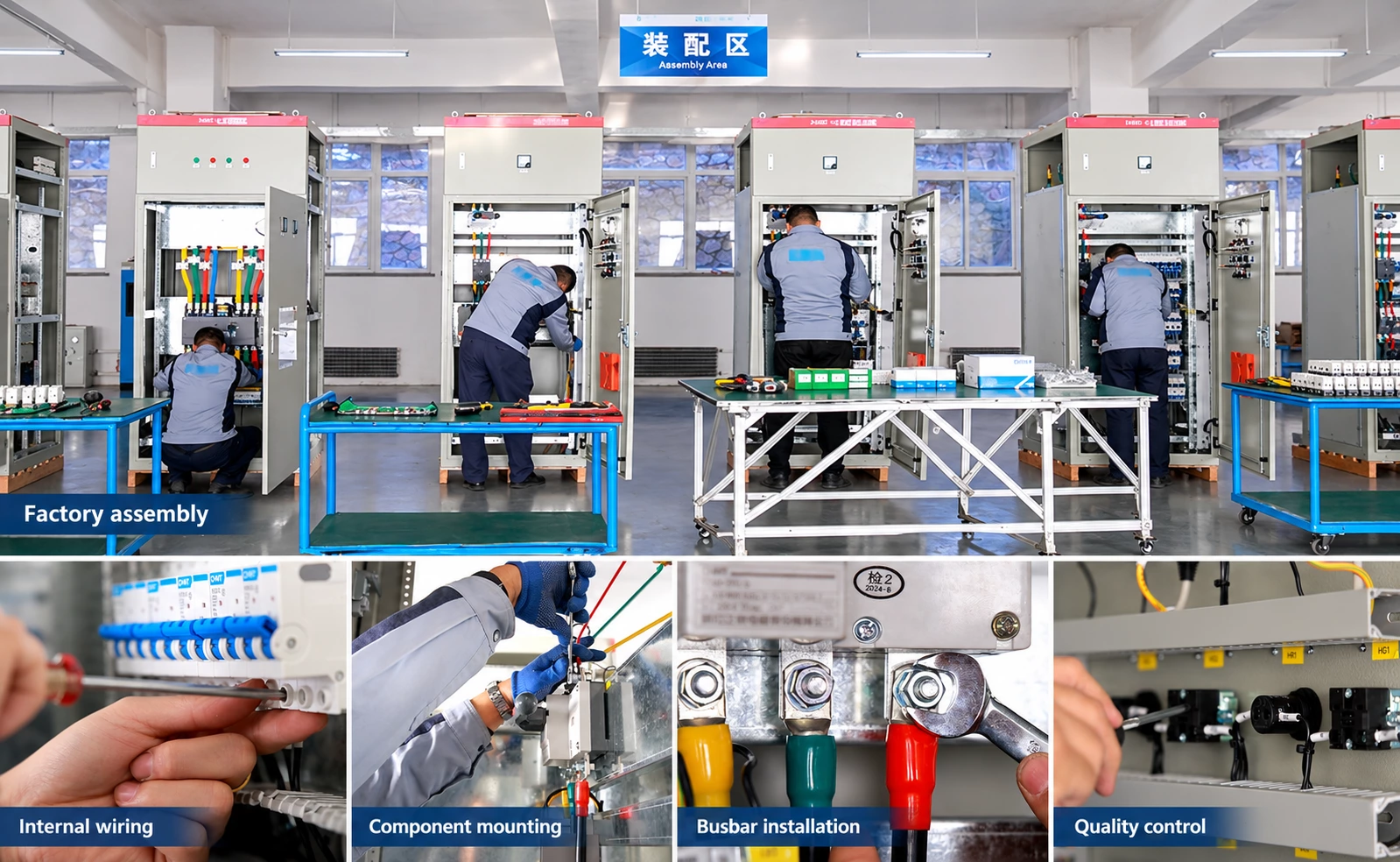
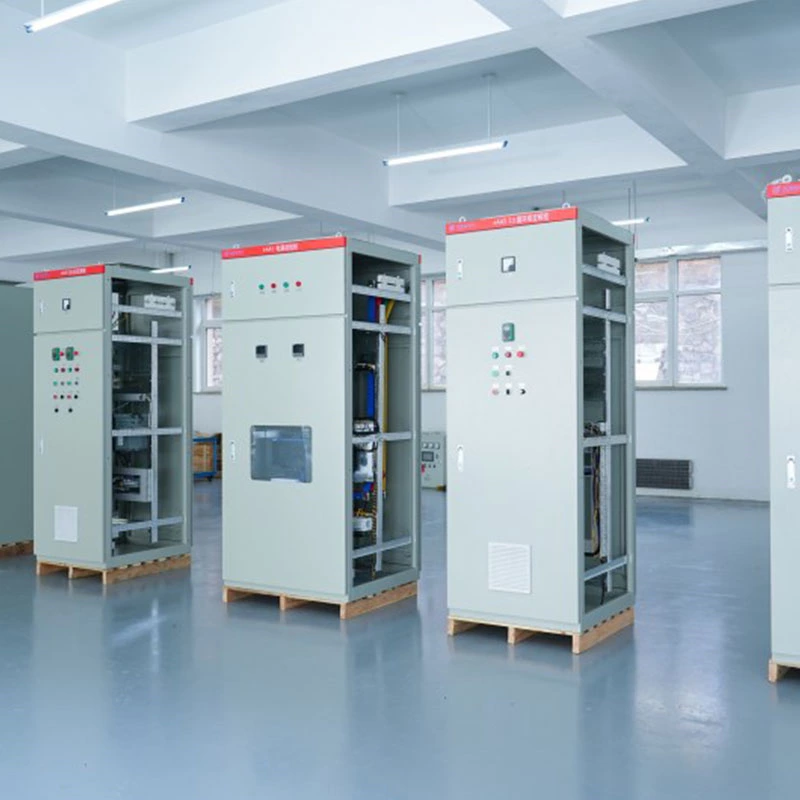
Photographs of the production and assembly stages document the actual condition of the equipment at each major step. These records support later technical discussions and provide clear evidence of the manufacturing process.
By completing the full assembly in the factory, the project reduced the volume of complex work required at the distant construction site and improved overall schedule predictability.
-
Factory Testing Before Delivery
Factory testing is an essential verification step for any industrial crusher power distribution system.
Before shipment, the completed switchgear underwent systematic checks of circuit configuration, protection device settings, and basic functional performance.
These tests confirm that the equipment matches the design intent and that protection settings have been applied correctly.
Technical documentation prepared during the testing phase records the results and provides a baseline for later site commissioning.
Factory testing does not replace site acceptance tests, but it significantly reduces the risk of discovering major issues only after the equipment has arrived at a remote location.
For overseas industrial projects, this step is particularly valuable. It gives the project team documented evidence that the switchgear left the factory in a verified condition.
-
Technical Documentation and Project Coordination
Technical documentation and ongoing coordination form an often-overlooked but critical part of a successful crusher power distribution system supply.
Complete documentation includes drawings, protection setting lists, component schedules, and operating information. These documents allow the site engineering team to understand the intended operation of every circuit.
Technical coordination continues after the equipment is ready for shipment. Questions about interfaces, parameter adjustments, or installation details can be resolved efficiently when clear documentation and a responsive technical contact are available.
Many project delays in international industrial work arise not from equipment quality but from incomplete information or slow technical communication.
By including documentation and coordination as formal parts of the scope, the project reduced this risk and supported a smoother path from factory completion to plant operation.
-
Project Delivery Value for the Oman Crushing Production Line
The completed crusher power distribution system delivered several concrete values to the project.
It provided a complete high- and low-voltage switchgear package designed around the actual load profile of a stone crushing line.
It supported continuous operation requirements of the crushers and their auxiliary equipment through coordinated protection and circuit arrangement.
It included factory testing and full technical documentation, giving the project team a verified starting point for site work.
Finally, it added practical experience in designing and supplying industrial power distribution systems for high-temperature operating environments.
These outcomes go beyond simple equipment delivery. They address the real operational needs of a heavy-duty industrial process plant.
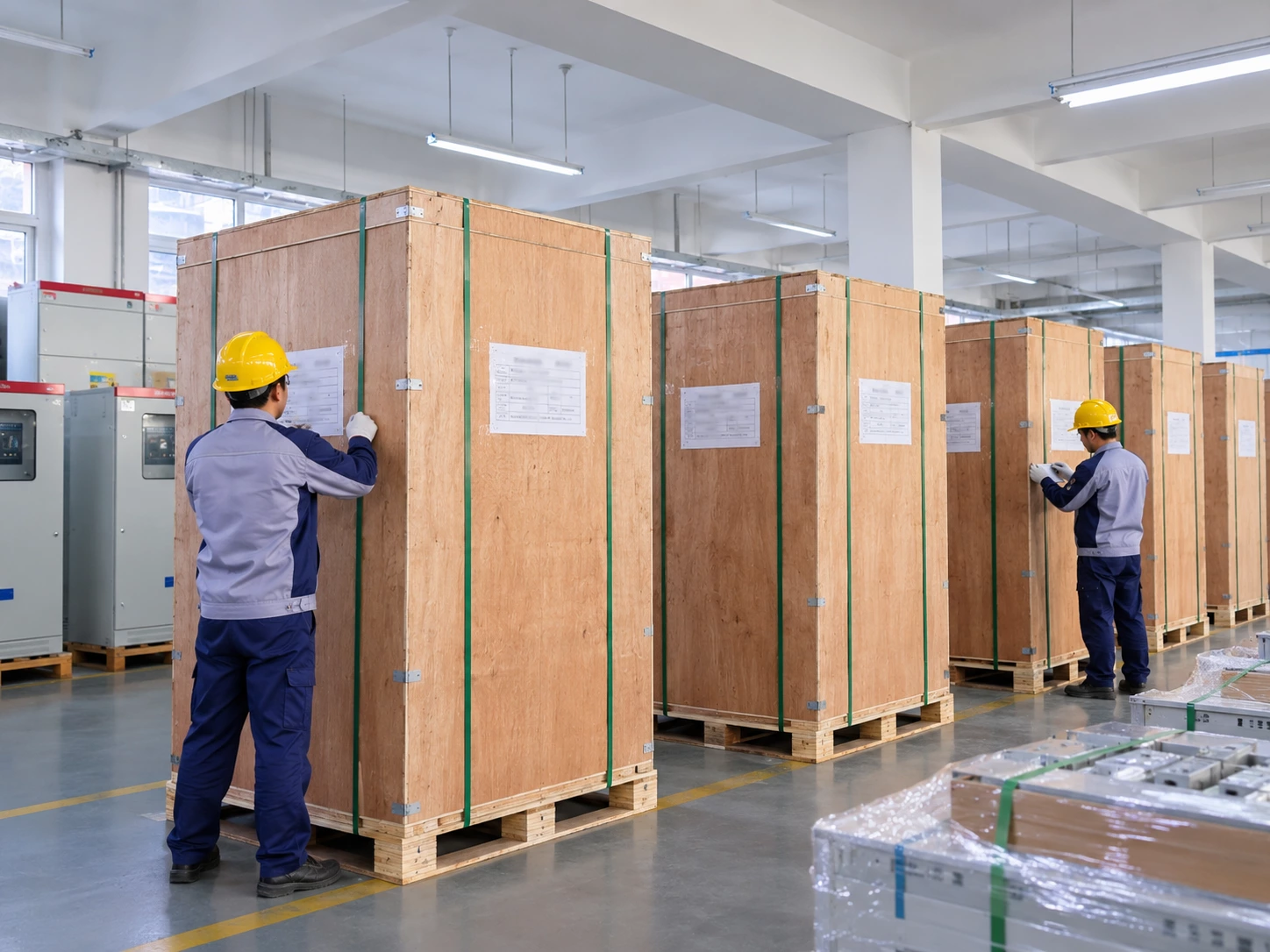
completed switchgear before shipment for Oman crusher project
Conclusion
A reliable crusher power distribution system depends on matching load requirements, protection coordination, environmental conditions, and factory verification. When these four elements are addressed together, the electrical foundation of a crushing plant becomes both safer and more productive.