Solar, Battery Storage, and Diesel Generator Power Distribution for a Remote Camp in Chad
-
Project Overview
This project involved the development of an off-grid hybrid power system for a remote camp in Chad, Africa, where access to the public electricity grid was unavailable. The camp required a reliable power supply for continuous operations, with sufficient backup capability to address the limitations of an isolated power network.
The solution integrates solar photovoltaic (PV) power, battery energy storage, and diesel generator support within a coordinated electrical distribution system. Designed for a remote environment with high temperatures and dust exposure, the system combines multiple power sources to support continuous electricity supply and improve operational flexibility.
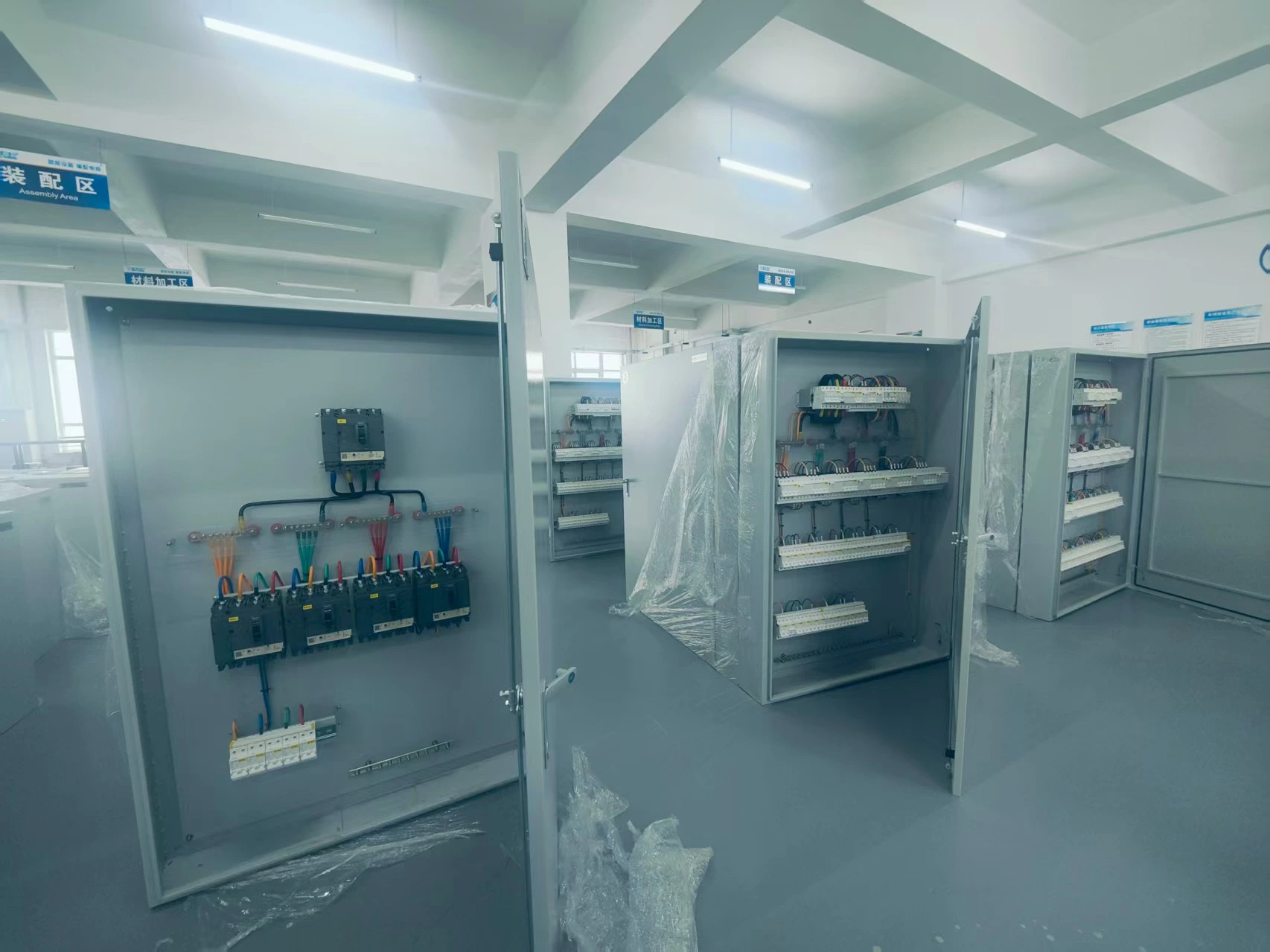
MEYGO was responsible for the hybrid power distribution design and the supply of supporting electrical equipment, including equipment for the solar and battery storage system, diesel generator supporting units, and medium- and low-voltage switchgear.
The project scope also extended beyond in-house equipment manufacturing. MEYGO coordinated the procurement of cables and selected electrical accessories from qualified third-party suppliers, covering technical specification verification, incoming material inspection, quality control, and delivery management.
Factory testing, technical documentation, and on-site technical coordination formed part of the overall delivery scope, supporting the integration of the different power sources into a unified distribution system.
Project Information
| Item | Project Details |
|---|---|
| Project Location | Chad, Africa |
| Application | Remote Camp Power Supply |
| System Type | Off-Grid Hybrid Power System |
| Power Sources | Solar PV, Battery Energy Storage, Diesel Generators |
| Main Equipment | Solar and Storage Supporting Equipment, Diesel Generator Supporting Units, MV/LV Switchgear |
| Additional Supply | Cables and Electrical Accessories |
| Service Scope | Distribution Design, Equipment Supply, Third-Party Procurement Coordination, Quality Control, Technical Support |
| Environmental Conditions | High Temperatures, Dust Exposure, Remote Location |
-
Power Supply Requirements for a Remote Camp in Chad
The remote camp in Chad required an independent electricity supply because no public utility grid was available at the site. The electrical infrastructure needed to support continuous camp operations while accommodating changes in local power generation and demanding environmental conditions.
The project requirements focused on three areas: round-the-clock electricity availability, backup power capability, and equipment suitability for high-temperature and dusty environments.
-
Continuous Power Supply Without Utility Grid Access
The camp's electricity demand extends across daytime and nighttime operations, while photovoltaic generation depends on available sunlight.
The power supply arrangement therefore needed to accommodate periods of reduced or unavailable solar output without relying on an external grid connection.
This required an integrated supply structure incorporating solar PV, battery energy storage, and diesel generation, with electrical distribution equipment capable of supporting the specified operating conditions.
The fundamental requirement was to maintain electricity availability for the camp's connected loads as local generation and stored energy availability changed.
-
Backup Power and Supply Reliability Requirements
In an isolated electrical network, the temporary loss or insufficient output of a power source cannot be compensated for by utility electricity.
The project consequently required backup generation capability and coordinated access to alternative power sources.
Power distribution and control equipment needed to accommodate source availability, load requirements, and the permitted operating conditions during source transitions.
Particular consideration was necessary for loads that could not tolerate extended supply interruptions. However, the permissible transfer time and any requirements for uninterrupted supply depend on the approved electrical design.
The objective was to provide a reliable off-grid power supply arrangement with backup capability, rather than depend on a single generation source.
The camp's operating environment introduced additional requirements for electrical equipment selection.
High ambient temperatures affect heat dissipation and the operating limits of enclosed electrical components. Cabinet construction, ventilation or cooling arrangements, and component ratings therefore needed to be evaluated against the specified installation conditions.
Dust exposure required consideration of enclosure protection, cable entry sealing, and the potential accumulation of airborne particles around electrical equipment.
These requirements also extended to externally procured cables and accessories, particularly their insulation materials, temperature suitability, and installation characteristics.
Equipment and material selection was governed by the project's environmental and technical specifications. Specific design temperatures, enclosure IP ratings, and verification results must be established from the approved project documentation.
-
Engineering Challenges of Off-Grid Hybrid Power Distribution
Designing an off-grid hybrid power distribution systempresents engineering challenges that differ from those of conventional utility-fed installations.
For the Chad remote camp, these challenges centered on the electrical characteristics of multiple power sources, system behavior during source transitions, and compatibility between equipment supplied through different channels.
-
Coordinating Multiple Independent Power Sources
Solar PV, battery energy storage, and diesel generators have different electrical and operational characteristics.
Photovoltaic output varies with irradiation. Battery storage has defined charging, discharging, and available energy limits. Diesel generators are subject to starting conditions, available generation capacity, and load acceptance characteristics.
The engineering challenge was to accommodate these differences within a common electrical supply arrangement.
Power conversion interfaces, source operating limits, and the balance between available generation and connected demand all had to be considered.
A further consideration was identifying how voltage and frequency would be established and maintained under the system's permitted operating configurations.
These factors made source coordination a system-level engineering requirement rather than a matter of selecting individual electrical devices.
-
Maintaining Electrical Stability During Source Transitions
An off-grid system must manage changes in available power without support from a utility network.
Changes in photovoltaic generation, battery energy availability, or generator operating status can affect the electrical conditions seen by connected loads.
The principal challenge was coordinating source transitions, voltage and frequency control, and electrical protection across the relevant operating configurations.
Switching and interlocking requirements differ depending on whether power sources are transferred independently or permitted to operate in parallel. These arrangements also have different synchronization and protection implications.
In addition, inverter-based equipment and rotating generators may contribute differently to fault conditions, affecting the selection and coordination of protective devices.
The system design therefore needed to address these interactions without assuming that a single protection or switching arrangement would be suitable for every source configuration.
-
Integrating Equipment From Different Supply Channels
The project combined MEYGO-supplied electrical assemblies with cables and selected auxiliary materials sourced from third-party suppliers.
This introduced an interface challenge because materials from different manufacturers still needed to form part of one electrical installation.
Potential incompatibilities included connection dimensions, cable termination requirements, equipment ratings, installation conditions, and differences in technical documentation.
These issues needed to be identified during engineering and material selection, rather than after equipment arrived at the remote site.
Maintaining consistent technical specifications across the supply package was therefore essential to achieving coordinated equipment integration.
-
Hybrid Power Distribution System Design
MEYGO developed the hybrid power distribution solution for the remote camp in Chad to coordinate electricity supplied by solar PV, battery energy storage, and diesel generators.
The design focused on three interconnected areas: electrical interfaces between power sources and distribution equipment, coordinated source switching and control, and the distribution and protection of power delivered to the camp's electrical loads.
The objective was to provide a unified distribution arrangement capable of accommodating multiple local energy sources while meeting the specified requirements for off-grid operation.
-
Solar PV, Battery Storage, and Diesel Generator Integration
The hybrid system incorporates three sources of electrical energy with complementary operating capabilities.
- Solar PV generation contributes electricity during periods of available solar irradiation. Its connection to the distribution network requires appropriate interfaces with the photovoltaic power conversion equipment, including the applicable circuit protection and isolation arrangements.
- Battery energy storage provides stored electrical energy through its associated power conversion system. The distribution interface must be compatible with the storage equipment's charging and discharging characteristics, output ratings, and operating restrictions.
- Diesel generators provide dispatchable generation capacity when additional power is required. Their electrical connections must accommodate generator output characteristics and the specified switching, protection, and control requirements.
MEYGO's design responsibility covered the distribution interfaces and supporting electrical equipment associated with these sources.
This included coordinating the relevant source connections with the medium- and low-voltage distribution equipment, rather than treating each power source as an isolated electrical installation.
The specific AC/DC coupling arrangement, inverter operating mode, and connection topology are determined by the project's approved electrical drawings.
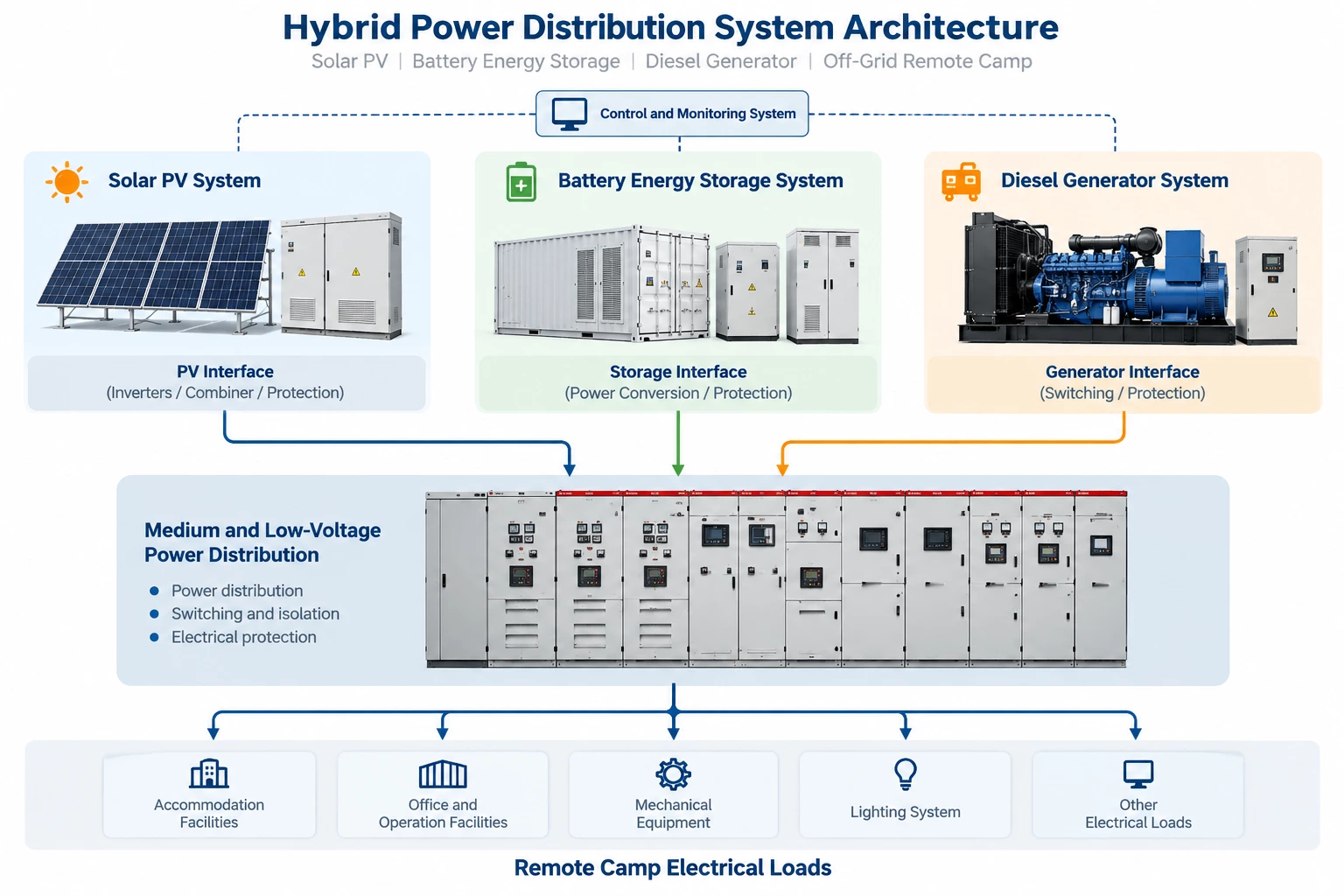
Conceptual overview of the solar PV, battery storage, and diesel generator interfaces within an off-grid hybrid power distribution system.(
-
Power Source Coordination and Switching Strategy
A key element of the design was the coordination of power source switching within the off-grid distribution system.
The source-control arrangement needed to account for the availability of solar generation, battery energy, and diesel generator power, together with the electrical conditions required for connecting each source.
The design considerations included:
-
Source availability: Identifying whether the relevant power source is ready to support the required electrical demand.
-
Switching conditions: Defining the permitted conditions for connecting, disconnecting, or transferring electrical supply.
-
Electrical interlocking: Preventing unintended connections between sources where their operating conditions are incompatible.
-
Control coordination: Ensuring switching commands and equipment status signals correspond to the specified operating logic.
The selected control arrangement also needed to account for the relationship between source availability and connected load demand.
Where a source cannot provide sufficient power or is unavailable, the system must use the permitted alternative supply arrangement defined in the approved control strategy.
The switching sequence must distinguish between transfer operation and any permitted parallel operation, since these require different synchronization and protection measures.
MEYGO's technical scope included coordinating the distribution equipment and supporting the associated control parameter settings.
The exact source priority, transfer delays, synchronization method, and operating thresholds are governed by the approved project control specifications.
-
Centralized Power Distribution and Electrical Protection
The medium- and low-voltage switchgear forms the distribution infrastructure connecting the specified power source interfaces with the camp's electrical circuits.
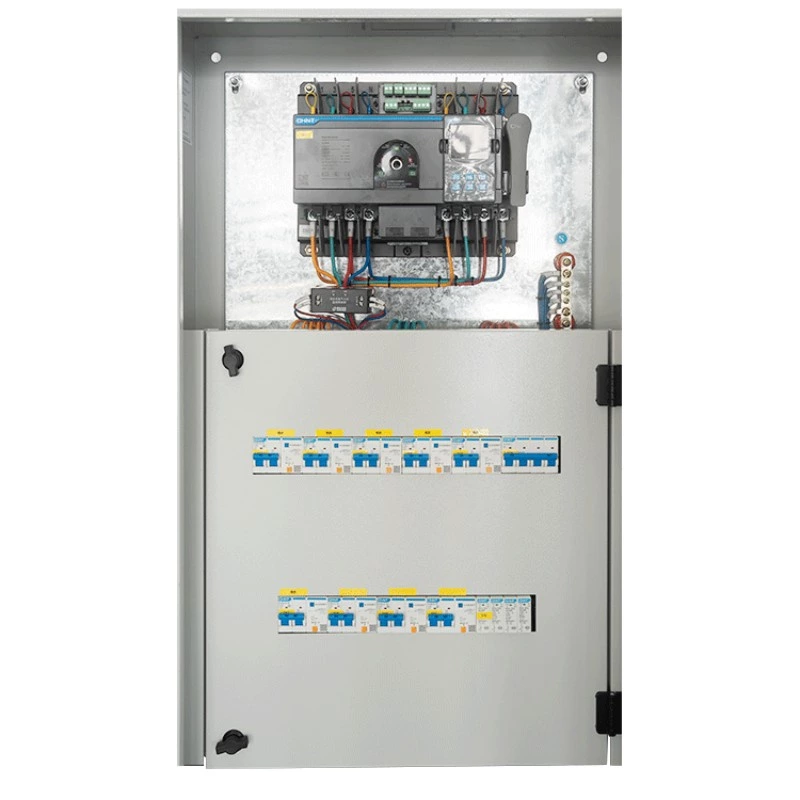
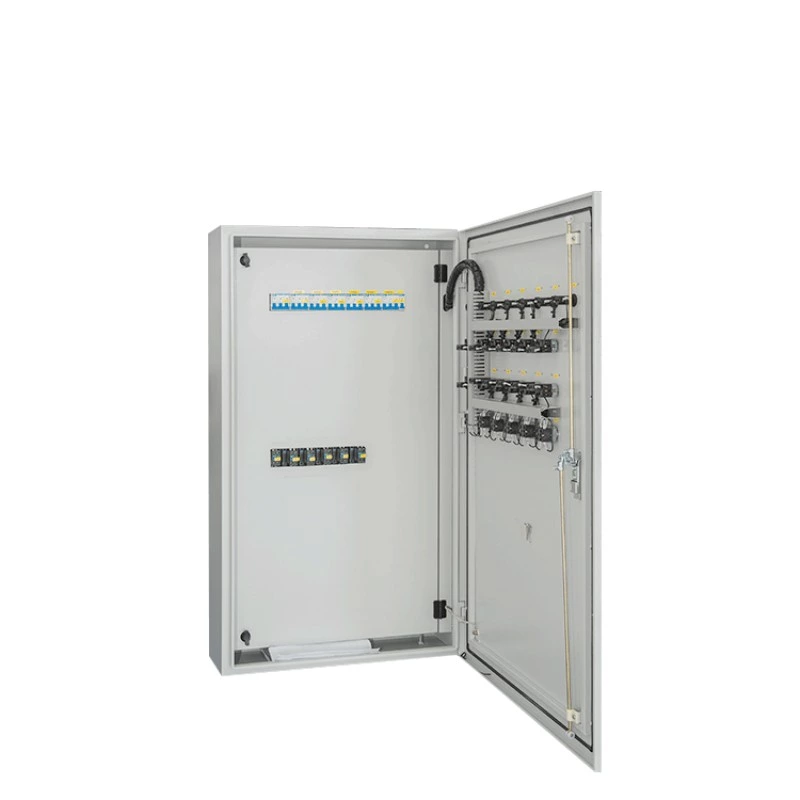
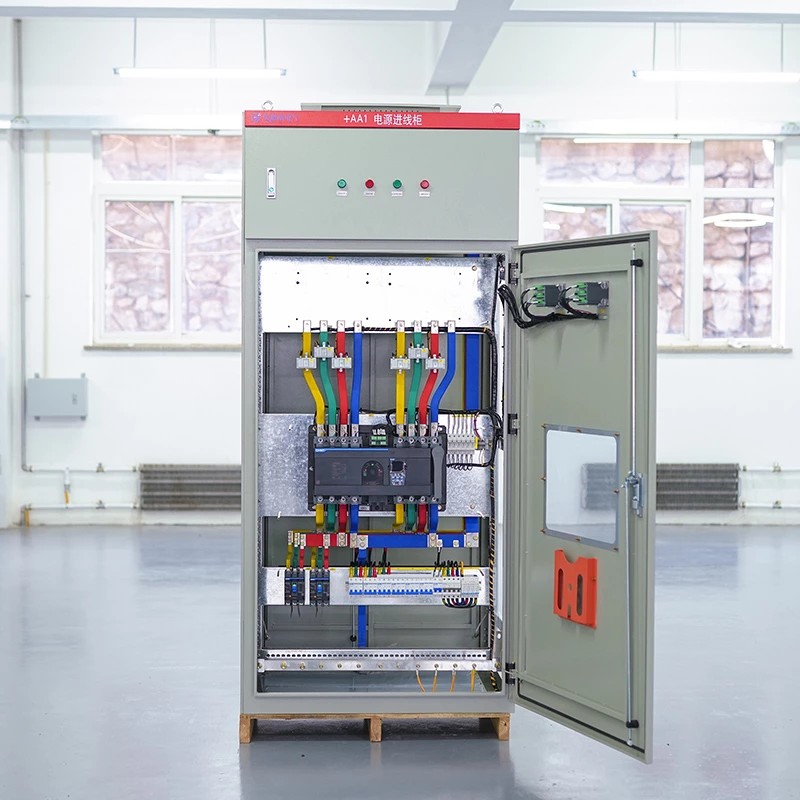
MEYGO supplied the switchgear assemblies within the project's equipment scope, providing the required distribution, switching, isolation, and protection functions.
The electrical arrangement was developed around three functional considerations.
1. Distribution circuit arrangement
Incoming source connections and outgoing load circuits must correspond to the approved electrical single-line diagram.
This establishes the required electrical paths between the hybrid power sources and the connected circuits, while defining the role of the associated distribution equipment.
2. Switching and isolation
The distribution equipment requires switching and isolation devices appropriate to their operating duties.
Their selection must consider rated voltage, current, switching capability, and the electrical conditions associated with the connected circuits and power sources.
3. Protection coordination
Circuit protection must reflect the characteristics of the sources supplying the installation.
Unlike a conventional distribution system supplied from a single utility transformer, a hybrid system may experience different fault-current contributions under different operating configurations.
Protective devices and their settings therefore need to be coordinated with the relevant source characteristics, circuit requirements, and upstream and downstream protection arrangements.
These design elements establish the electrical framework for coordinated multi-source switching and unified power distribution management.
By treating source interfaces, switching requirements, and distribution protection as connected engineering functions, MEYGO provided the distribution design and supporting equipment required for the remote camp's hybrid power system.
-
Electrical Equipment and System Components Supplied
MEYGO supplied the electrical equipment package required to support the hybrid power distribution system for the remote camp in Chad.
The confirmed scope covered solar PV and battery energy storage supporting equipment, diesel generator supporting units, medium- and low-voltage switchgear, and selected cables and electrical accessories.
The equipment package combined MEYGO's electrical assembly supply with materials obtained through qualified third-party suppliers.
-
Solar PV and Battery Energy Storage Supporting Equipment
MEYGO supplied supporting electrical equipment for the solar PV and battery energy storage portions of the hybrid system.
The equipment was intended to provide the required electrical interfaces between the associated power conversion equipment and the project's distribution network.
For the photovoltaic system, the supporting electrical equipment addressed the relevant power connection, switching, isolation, and protection requirements.
For battery storage, the supply covered supporting electrical interfaces compatible with the storage system's power conversion and distribution requirements.
These items formed part of MEYGO's electrical equipment scope. The available project information does not identify the photovoltaic modules, battery cells, or complete battery storage containers as MEYGO-manufactured products.
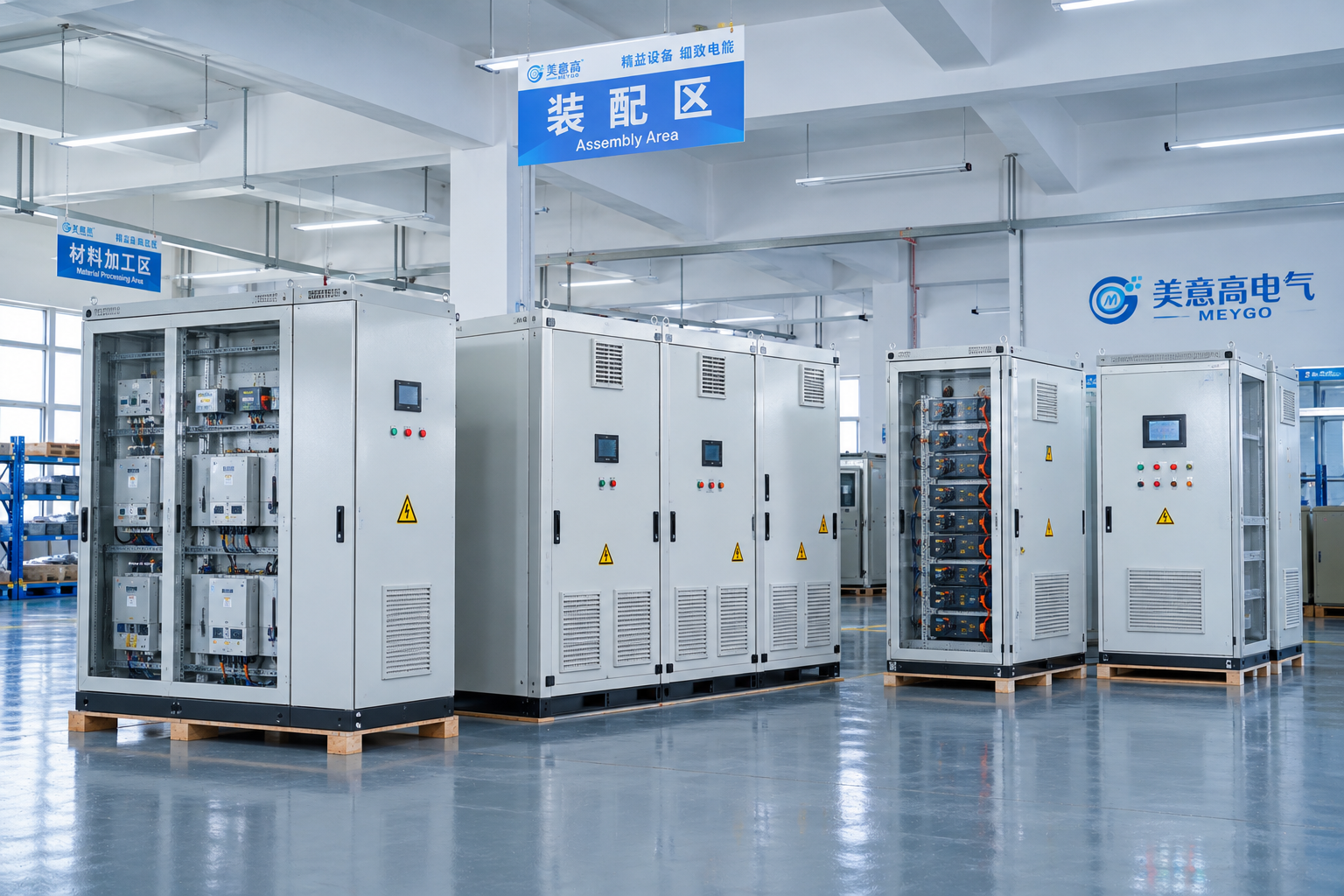
(Illustrative Rendering)
-
Diesel Generator Supporting Units
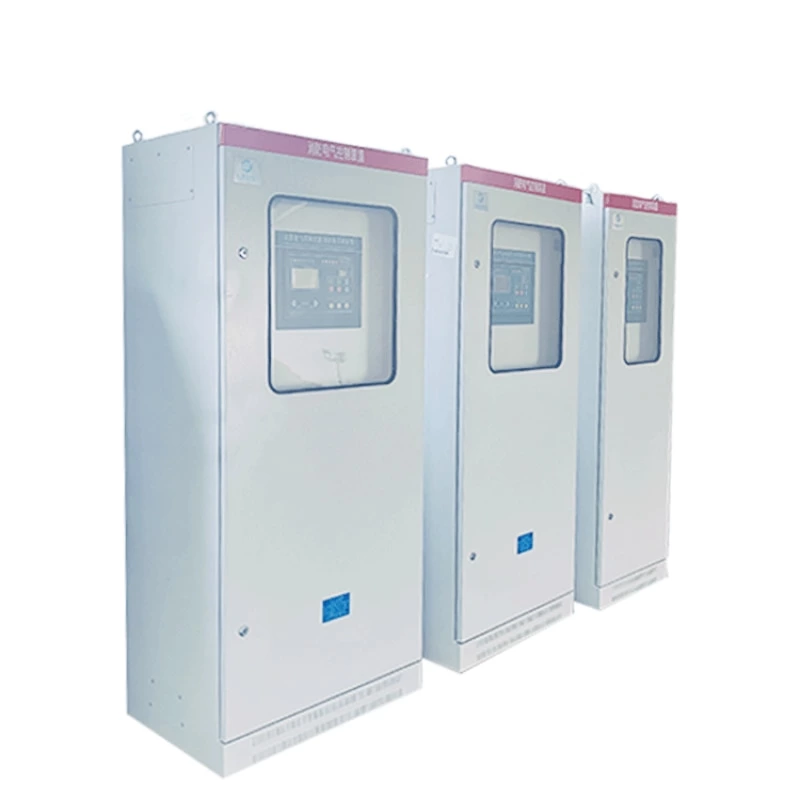
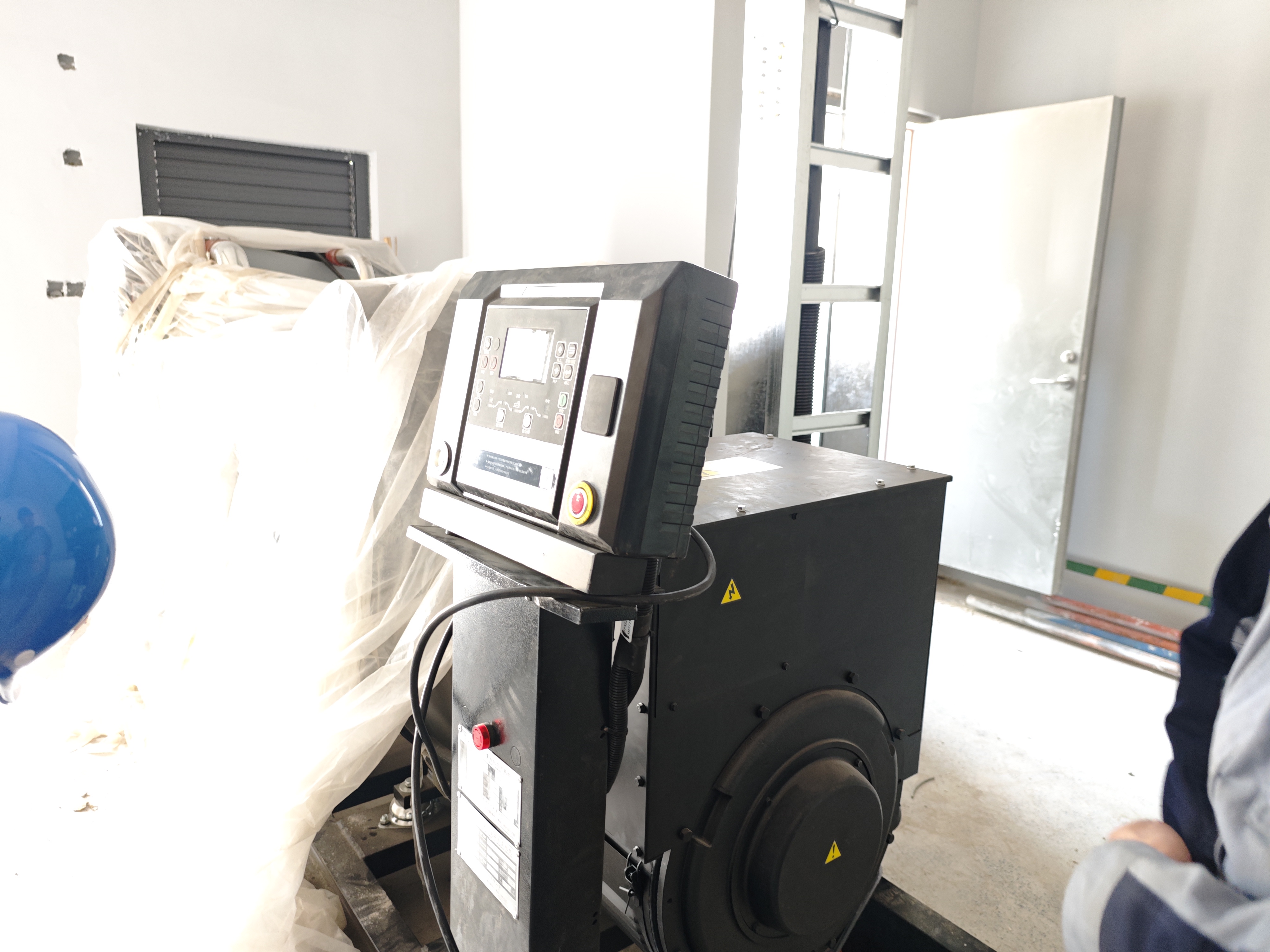
The project supply included electrical supporting units associated with the diesel generator system.
These units provided the equipment interfaces required to connect generator power to the designated electrical distribution circuits.
Their functional scope related to generator power connection, switching, isolation, protection, and the corresponding source-control interfaces defined by the project design.
The supporting units were supplied as part of the coordinated electrical distribution package.
The available project information does not specify the generator manufacturers, generator capacities, or detailed configurations of the supporting units.
-
Medium- and Low-Voltage Switchgear
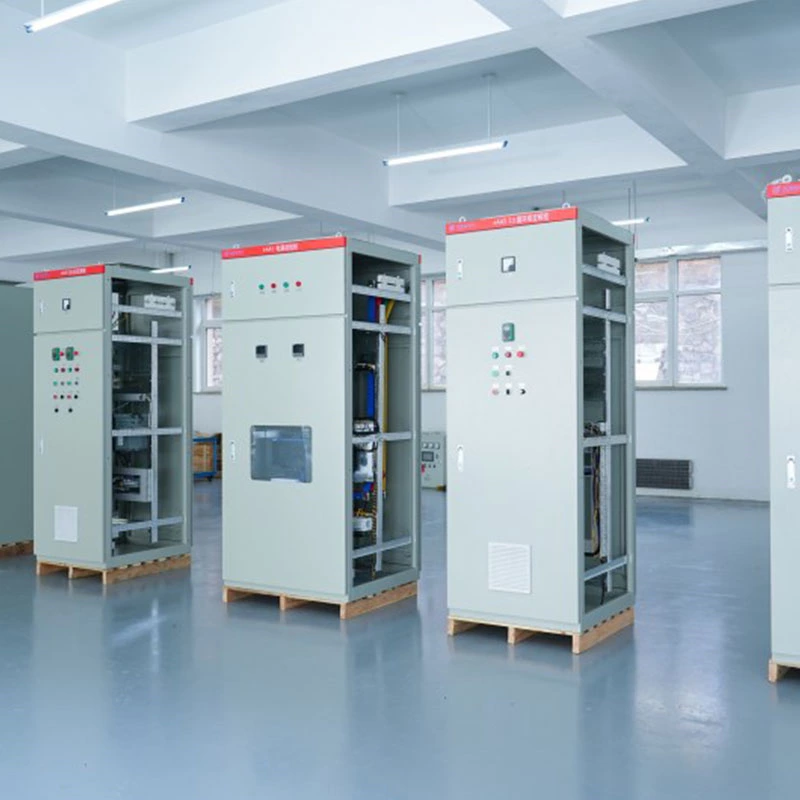
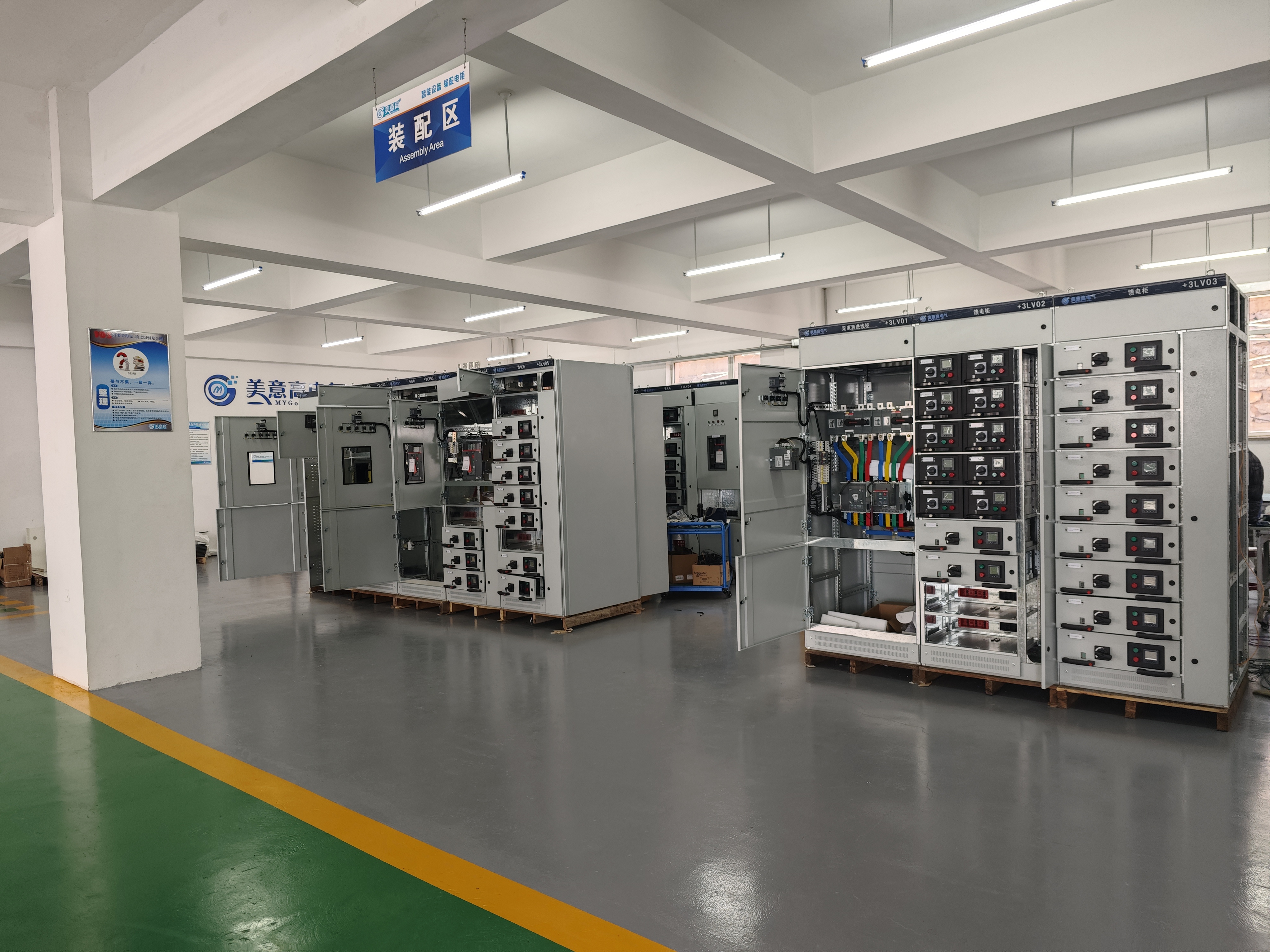
MEYGO supplied medium-voltage and low-voltage switchgear for the project's electrical distribution system.
The two equipment categories served the distribution requirements assigned to their respective voltage levels in the approved electrical design.
Medium-Voltage Switchgear
The medium-voltage assemblies formed part of the project's specified distribution equipment, providing the required switching, isolation, and protection functions for the relevant medium-voltage circuits.
Their configuration was determined by the applicable voltage level, circuit arrangement, equipment ratings, and project technical specifications.
Low-Voltage Switchgear
The low-voltage assemblies supported the distribution and protection of the circuits assigned to the low-voltage network.
The equipment scope included the required incoming and outgoing circuit arrangements, switching functions, and protective equipment in accordance with the approved design.
Both switchgear categories were included in the electrical equipment supply for the remote camp, with construction and component selection subject to the project's installation and environmental requirements.
-
Cables and Electrical Accessories
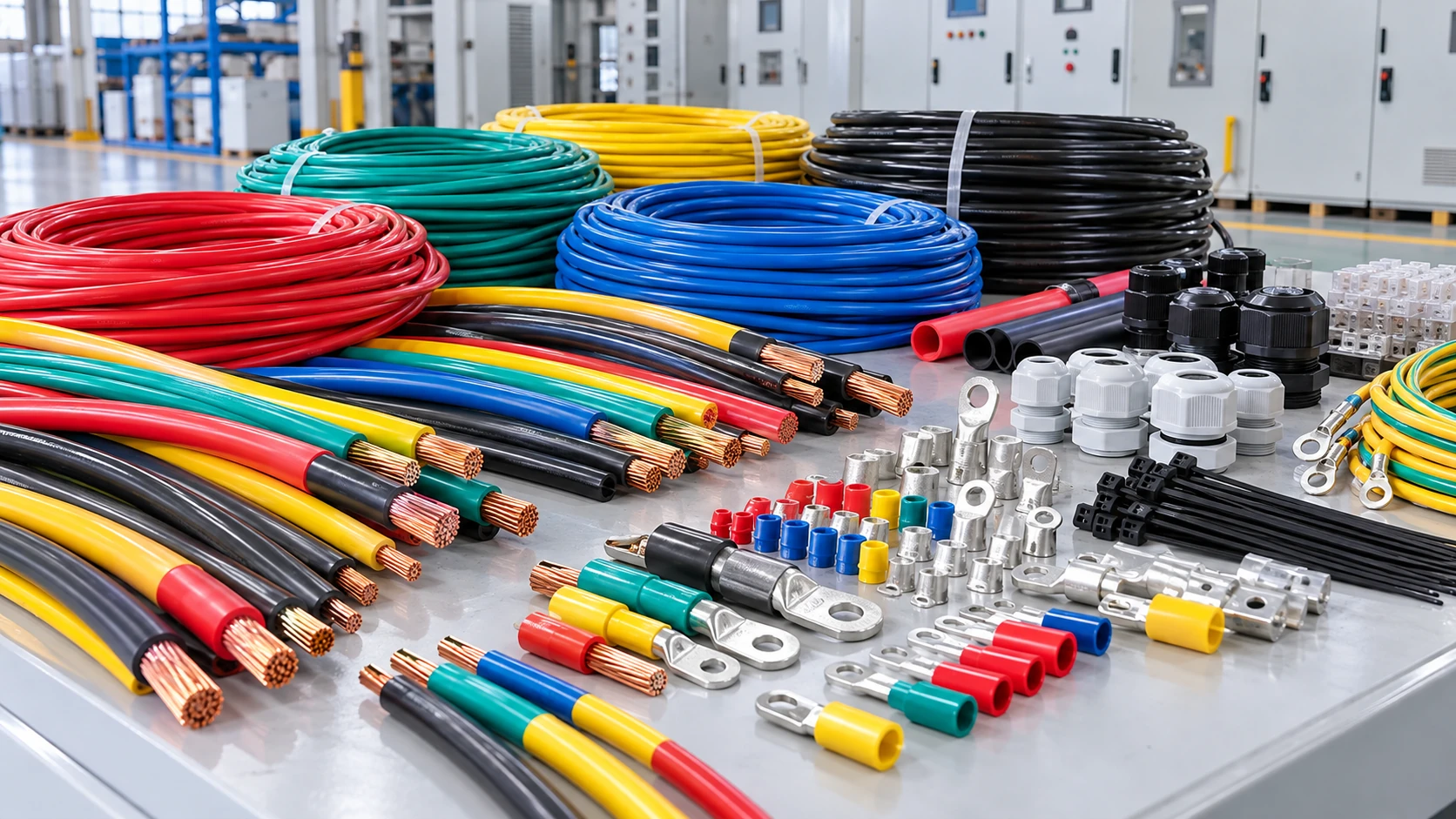
Cables and selected electrical accessories were included in the project supply through qualified third-party suppliers.
MEYGO coordinated the procurement of these items according to the approved material specifications and the technical requirements of the associated electrical equipment.
The procurement scope covered material selection coordination, specification verification, incoming inspection, and delivery management.
These externally sourced materials formed part of the same project supply package as the MEYGO-supplied electrical assemblies.
This arrangement allowed the project to combine in-house electrical equipment supply with coordinated procurement of supporting materials, while maintaining a consistent technical basis for delivery.
| Equipment Category | Confirmed Supply Scope | Supply Arrangement |
| Medium-Voltage Switchgear | MV distribution assemblies | MEYGO equipment supply |
| Low-Voltage Switchgear | LV distribution assemblies | MEYGO equipment supply |
| Solar PV Supporting Equipment | Electrical supporting equipment and interfaces | MEYGO equipment supply |
| Battery Storage Supporting Equipment | Associated electrical supporting equipment | Qualified third-party suppliers,coordinated by MEYGO |
| Diesel Generator Supporting Units | Generator-related electrical supporting units | Qualified third-party suppliers,coordinated by MEYGO |
| Cables and Electrical Accessories | Specified cables and auxiliary materials | Qualified third-party suppliers,coordinated by MEYGO |
-
Equipment Manufacturing, Procurement, and Quality Control
The Chad project required coordinated quality management across MEYGO-manufactured electrical equipment and materials procured from external suppliers.
MEYGO's responsibilities covered factory manufacturing and testing, third-party material verification, and technical documentation coordination.
These activities were managed according to the relevant equipment specifications and project acceptance requirements.
-
In-House Equipment Manufacturing and Factory Testing(IEC 61439-1:2020)
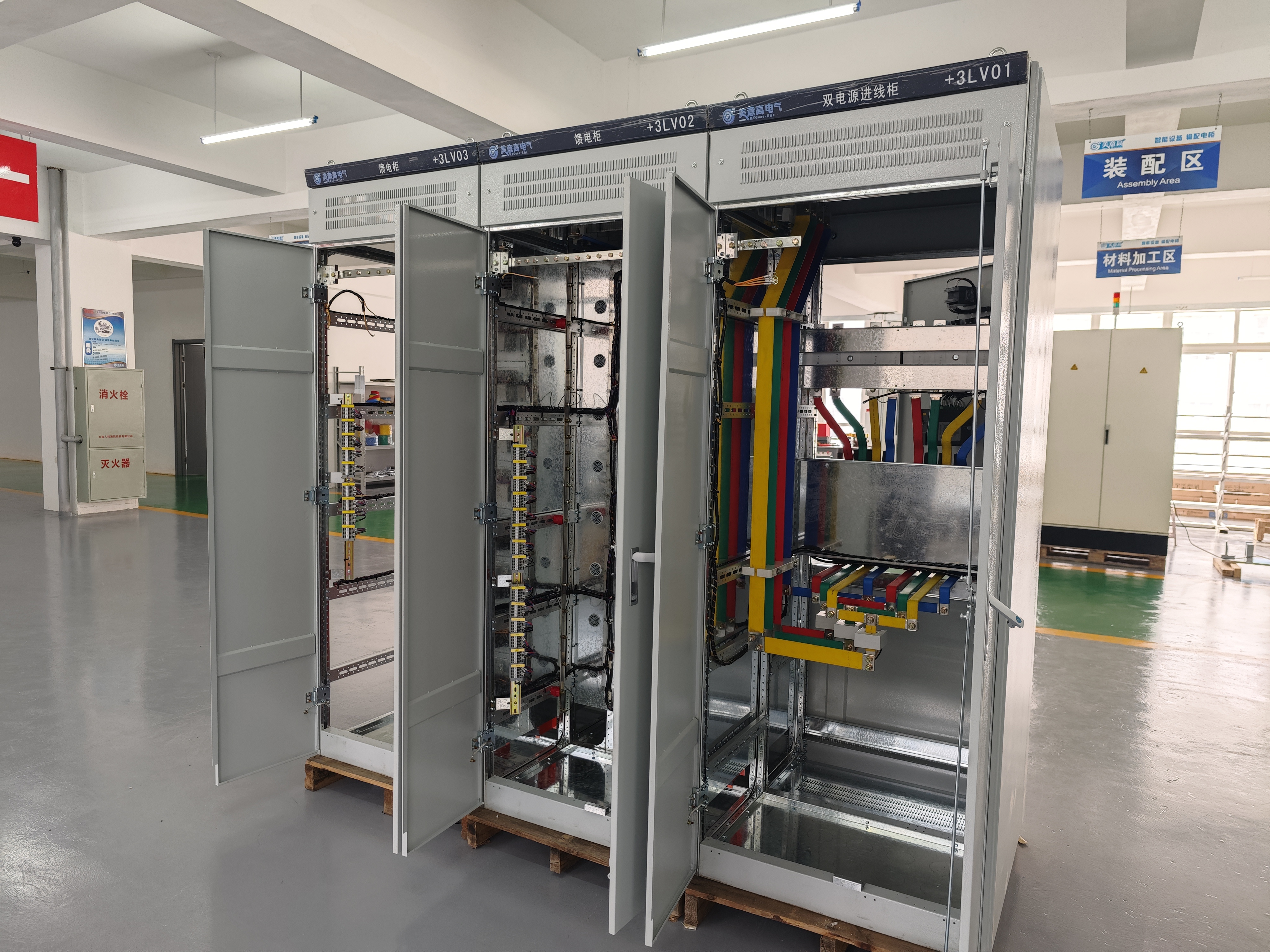
MEYGO manufactured the electrical distribution assemblies within its confirmed production scope.
The manufacturing process followed the approved equipment requirements for cabinet construction, component installation, internal wiring, and assembly.
Factory inspection and testing were carried out for the in-house equipment before delivery.
The verification scope included:
-
Assembly inspection: Checking component installation and cabinet construction against the approved requirements.
-
Wiring inspection: Checking internal wiring, terminal connections, and circuit identification.
-
Electrical testing: Performing the applicable electrical checks and tests specified for the equipment.
-
Final verification: Reviewing equipment identification and conformity with the required delivery specifications.
The applicable test procedures and acceptance criteria depended on the equipment type and project technical documentation.
These factory activities addressed the conformity of the manufactured electrical assemblies. They should be distinguished from the commissioning and performance verification of the complete hybrid power system at the installation site.
-
Third-Party Supplier Selection and Material Verification(IEC 60502-1:2021)
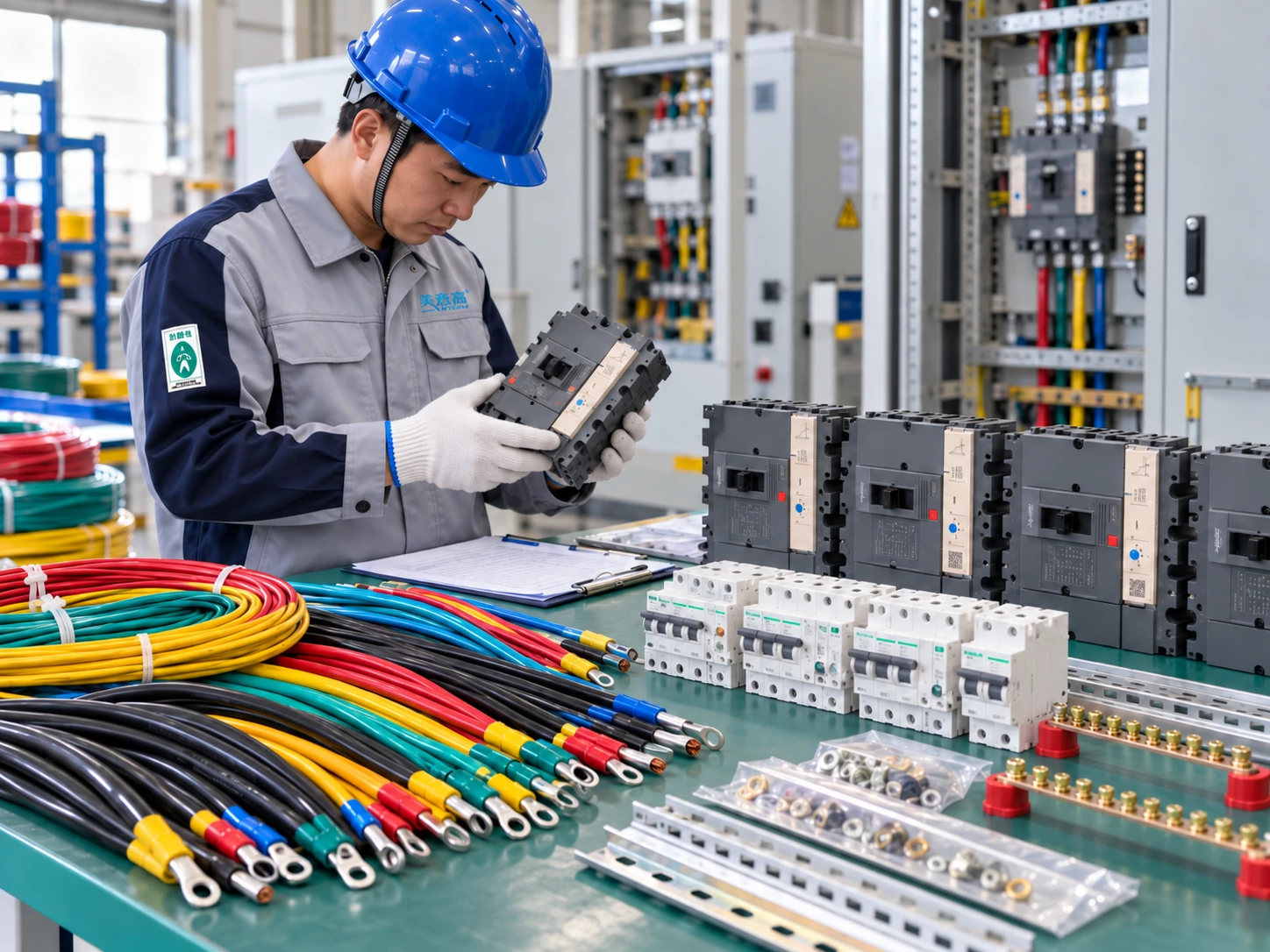
MEYGO coordinated procurement of cables and selected auxiliary materials from qualified third-party suppliers.
Supplier and product selection considered the technical specifications, installation conditions, and quality requirements established for the project.
For cables, verification focused on the specified voltage ratings, conductor characteristics, insulation and sheath materials, and environmental suitability.
For electrical accessories, the relevant checks concerned product specifications and compatibility with the designated electrical connections.
MEYGO also conducted incoming verification of externally procured materials to compare received items with the applicable procurement and acceptance requirements.
This provided a defined quality control process for materials outside MEYGO's direct manufacturing scope.
-
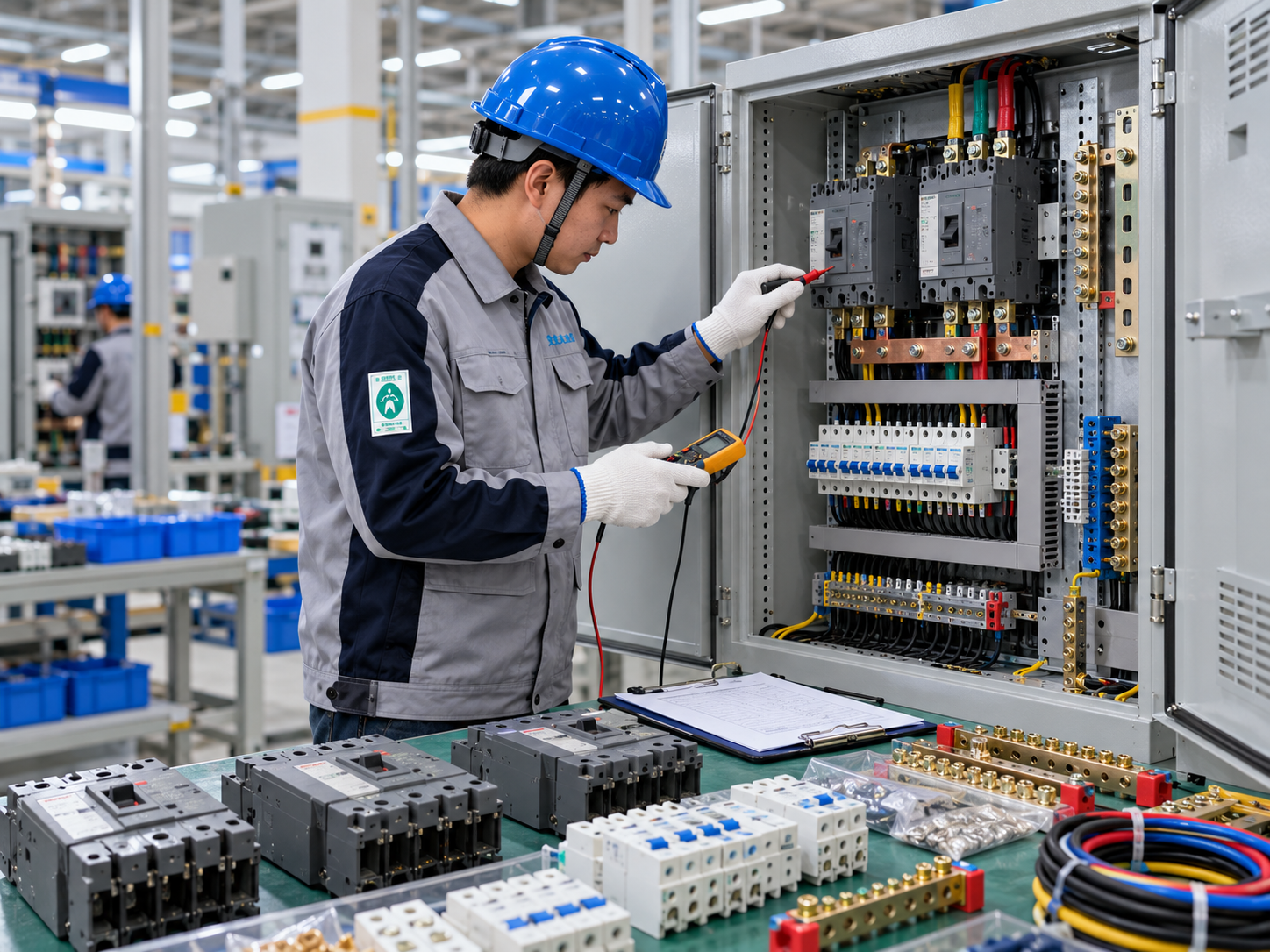
Quality Inspection and Technical Documentation
The project involved equipment and materials from multiple supply sources, requiring their technical information to be coordinated for delivery.
MEYGO consolidated the relevant equipment identification, specification information, and supporting documentation within the project's technical document scope.
This coordination was intended to support equipment identification, technical review, installation preparation, and subsequent communication between the parties involved in system implementation.
The content of the delivered documentation was determined by the approved project requirements.
Test reports, certificates, drawings, and inspection records should only be identified as completed deliverables where their inclusion is supported by the project documentation.
Through the combination of in-house factory verification, third-party material inspection, and coordinated technical document delivery, MEYGO maintained a consistent quality management approach across the electrical supply package.
-
Technical Coordination and Implementation Support
The delivery of an off-grid hybrid power system requires technical coordination beyond equipment manufacturing and shipment. Electrical interfaces, control parameters, and installation requirements must be aligned so that independently supplied equipment can function within the same power distribution network.
For the remote camp project in Chad, MEYGO's responsibilities included on-site technical coordination, parameter setting support, and technical guidance for the integration of solar PV, battery energy storage, diesel generator supporting units, and medium- and low-voltage switchgear.
These services focused on translating the approved electrical design into practical implementation requirements and supporting the coordination of the different power sources.
-
On-Site Technical Coordination
Equipment installation at a remote location requires clear coordination between the electrical design, supplied equipment, and actual site conditions.
MEYGO provided technical interface support to address installation-related questions and coordinate the connections between the hybrid power sources and distribution equipment.
The technical coordination scope covered the following areas:
-
Equipment interfaces: Confirming the connection requirements between power source supporting units, switchgear, and associated electrical circuits.
-
Cable and terminal connections: Providing technical clarification on relevant connection arrangements and compatibility with the supplied equipment.
-
Control signal interfaces: Coordinating the signal requirements associated with power source status, switching commands, and equipment interlocking.
-
Installation clarification: Addressing technical questions arising during equipment installation and system integration.
The purpose of this coordination was to ensure that the supplied electrical equipment could be connected and configured according to the approved design.
Specific site modifications or completed installation activities should only be described where supported by the project's actual implementation records.
-
Protection and Control Parameter Settings
Protection and control settings are essential to the operation of a hybrid power distribution system because they determine how the electrical equipment responds to operating conditions and abnormal events.
MEYGO's technical support scope included assistance with parameter settings for the associated distribution and control equipment.
For protection devices, the relevant settings must correspond to the approved electrical calculations, equipment ratings, circuit characteristics, and protection coordination requirements.
For source-control equipment, the settings must reflect the specified operating logic and the electrical conditions required for source connection or transfer.
Relevant configuration activities may include verifying device parameters, confirming control signal relationships, and checking that the selected settings correspond to the approved technical documents.
However, the available project information does not identify the actual protection setting values, switching delays, battery operating thresholds, or generator start and stop parameters.
These details should therefore remain subject to the confirmed project documentation rather than being presented as fixed settings for the Chad installation.
-
System Integration and Technical Guidance
The final integration stage requires the electrical distribution equipment and power source supporting units to operate according to the intended system configuration.
MEYGO provided technical guidance for coordinating the supplied equipment with the wider solar, battery storage, and diesel generator power system.
This included guidance relating to equipment connections, control interfaces, operating parameters, and the technical requirements associated with multi-source power distribution.
An important consideration was the relationship between the electrical distribution equipment and the control arrangements responsible for source coordination. These functions must be consistent with the approved system design to avoid conflicting commands, unsuitable source connections, or protection settings that do not correspond to the operating configuration.
The technical guidance also supported communication between the parties responsible for different portions of the equipment package.
MEYGO's role was to support the implementation of a coordinated electrical distribution solution, ensuring that equipment interfaces, technical parameters, and system operating requirements were addressed within its agreed scope.
-
Project Value and Integrated Delivery Capabilities
The remote camp project in Chad demonstrates MEYGO's ability to support off-grid hybrid power distribution projects that combine multiple energy sources with coordinated electrical equipment supply.
The project addressed the power distribution requirements of an isolated camp through the integration of solar PV, battery energy storage, and diesel generator support. The resulting solution provided the electrical framework for managing multiple power sources and supporting continuous camp electricity requirements without access to a public utility grid.
An important project achievement was the coordinated delivery of MEYGO-supplied electrical assemblies alongside cables and auxiliary materials sourced from qualified third-party suppliers. This combined manufacturing, procurement coordination, material verification, and technical support within a common project scope.
The experience strengthened MEYGO's capabilities in hybrid power distribution design, electrical equipment supply, and project coordination for remote and environmentally demanding installations. These capabilities are relevant to similar off-grid applications where equipment compatibility, supply reliability, and integrated delivery management are essential.
Looking for an Off-Grid Power Distribution Solution?
MEYGO provides electrical distribution design, MV/LV switchgear, equipment supply coordination, and technical support for remote industrial power projects.
Contact MEYGO to discuss your project requirements.