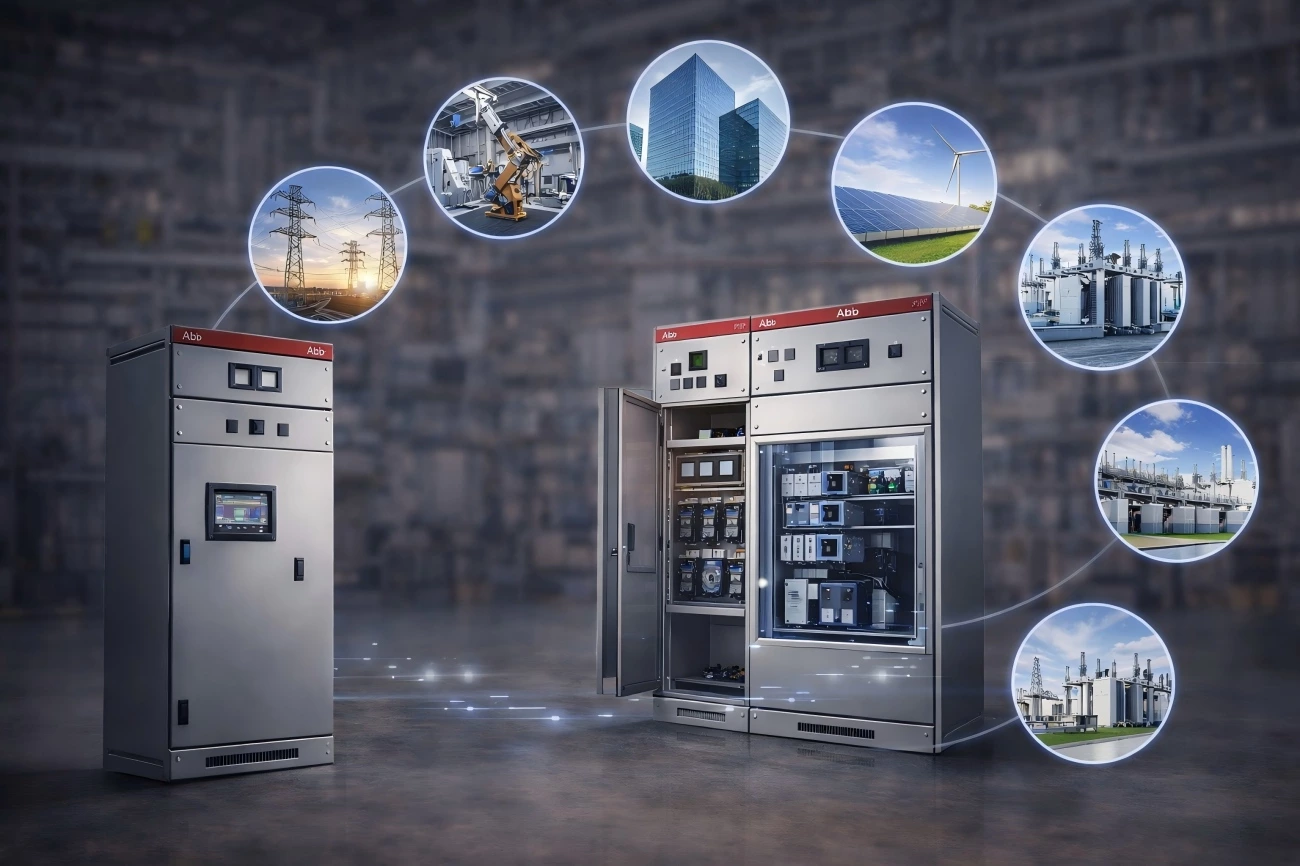
Low Voltage Switchgear
Low voltage switchgear is everywhere in modern industry, yet many buyers and engineers still struggle to fully understand it. Choosing the wrong low voltage switchgear can lead to safety risks, system failures, and unexpected costs.
Without clear knowledge of low voltage switchgear types, or component configurations, decision-makers often face delays, miscommunication, and expensive rework. In complex projects, even a small mistake in selecting a low voltage switchgear panel can impact the entire power distribution system.
This guide explains everything about low voltage switchgear in a clear and professional way. From basic definitions to advanced selection strategies, it helps readers make confident and cost-effective decisions.
Table of Contents
- What is Low Voltage Switchgear?
- What is the Function of Low Voltage Switchgear?
- Main Types of Low Voltage Switchgear
- How Does Low Voltage Switchgear Work?
- Main Components of Low Voltage Switchgear
- Applications of Low Voltage Switchgear in Industry
- Difference Between Low Voltage Switchgear and Switchboards
- How to Select Low Voltage Switchgear
- Draw-out vs Fixed Type Low Voltage Switchgear
- Intelligent Low Voltage Switchgear Functions
- IEC Standards for Low Voltage SwitchgearIEC
- Cost and Price Factors of Low Voltage Switchgear
- Future Trends of LV and MV Switchgear
1.What is Low Voltage Switchgear?
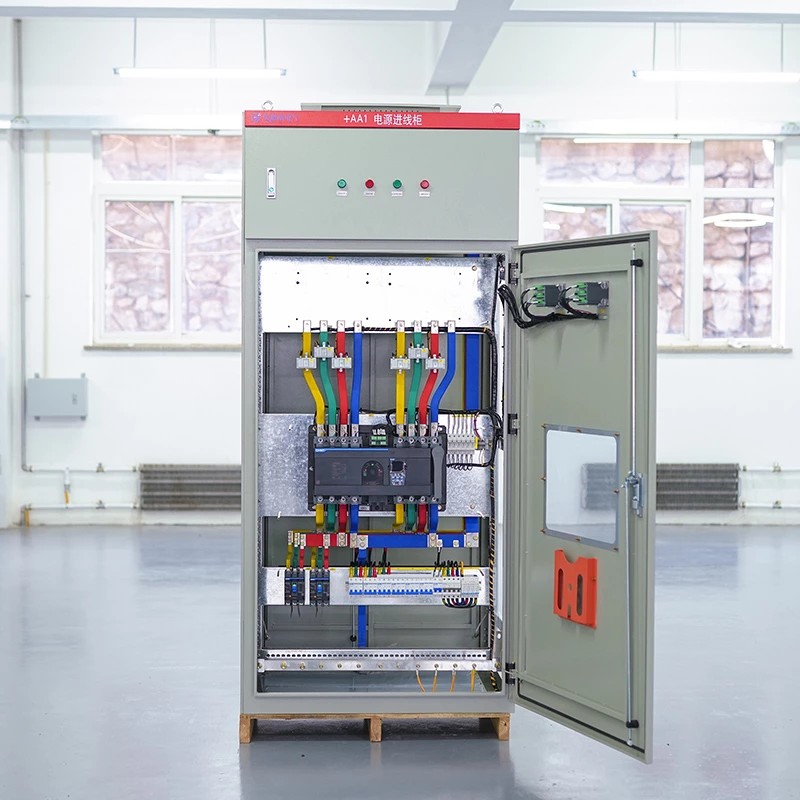
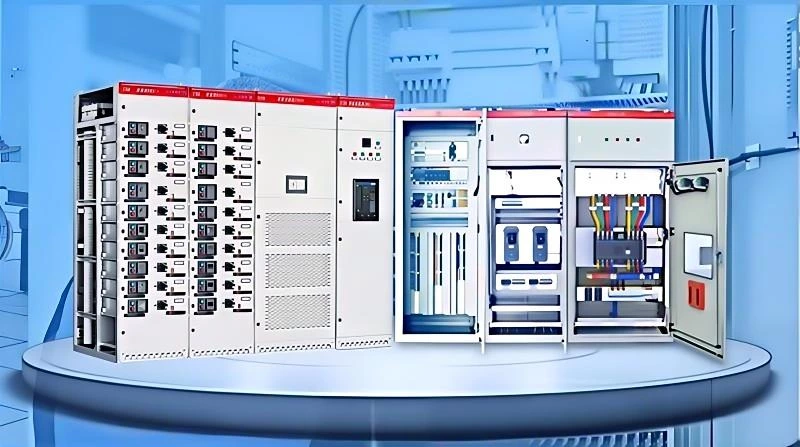
Low voltage switchgear (LV switchgear) is an electrical assembly used in power distribution systems operating up to 1,000 V AC or 1,500 V DC. It is classified as a core category of equipment within low voltage electrical infrastructure.
Technical Definition
In electrical engineering, low voltage switchgear is defined as a complete assembly of electrical devices, manufactured and verified as a unified system for installation in low voltage networks.
According to international standards published by the International Electrotechnical Commission (IEC), low voltage systems generally refer to electrical installations operating within this voltage range: https://webstore.iec.ch/en/publication/5568
Within this classification, LV switchgear is specifically designed to be applied in low voltage distribution environments.
Equipment Category in Power Systems
Within the broader structure of power systems, low voltage switchgear belongs to the low voltage distribution equipment segment, positioned downstream of medium and high voltage systems.
It is commonly supplied in standardized assembly forms, including:
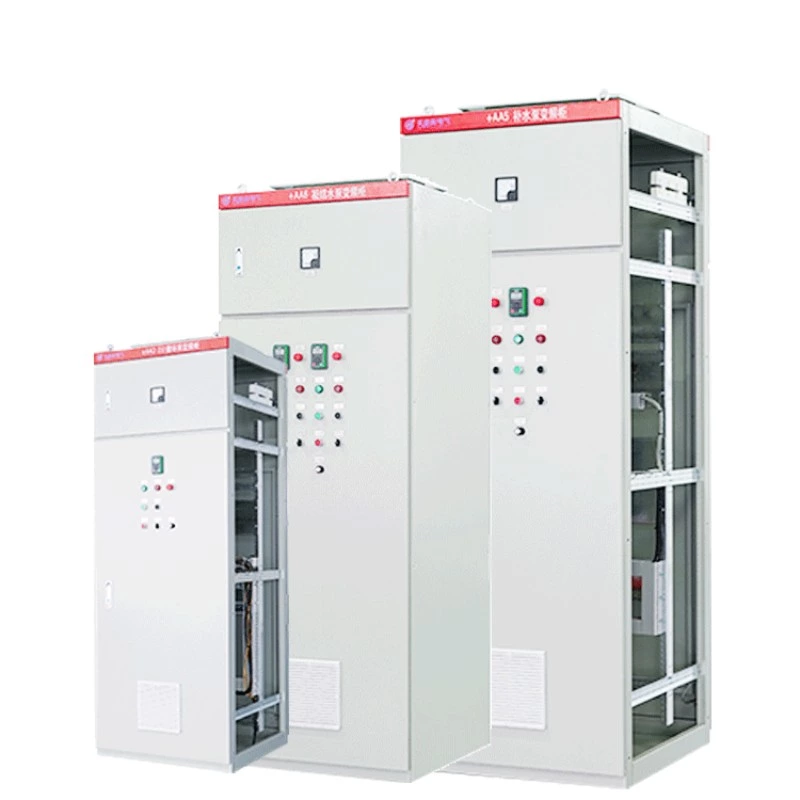
- Low voltage switchgear panels
- Main low voltage switchboards
- LV panel assemblies
These forms represent different configurations of the same equipment category, adapted to various installation and system requirements.
Industry Terminology
In global engineering and procurement practice, low voltage switchgear may appear under different terms. The most widely used include:
- LV switchgear (standard abbreviation)
- Low tension switchgear
- LVSG (industry shorthand)
Despite variations in naming, all refer to the same type of low voltage electrical assembly.
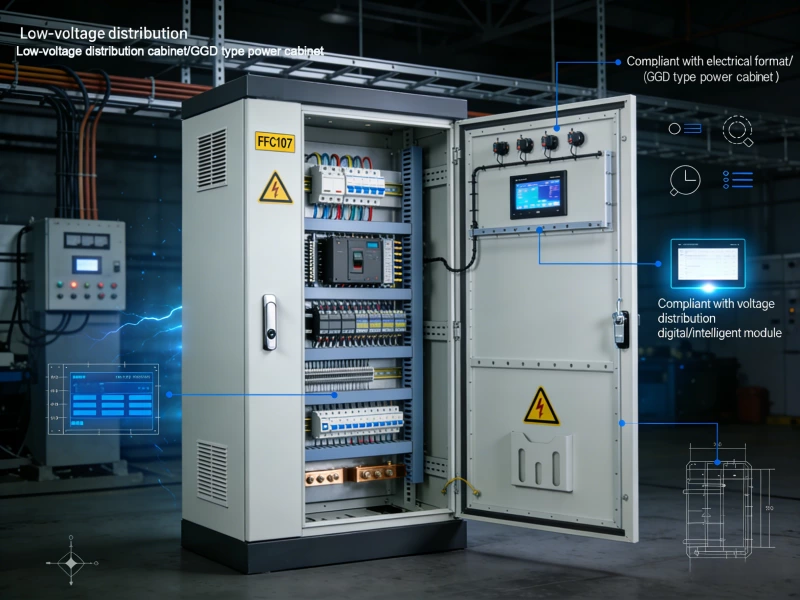
Electrical Isolation for Maintenance
Low voltage switchgear also provides the ability to isolate specific parts of the system.
This function allows:
- Safe inspection and maintenance
- Equipment replacement without shutting down the entire system
- Reduced downtime in industrial operations
By enabling controlled isolation, LV switchgear supports efficient system management and operational continuity.
System Reliability and Continuity
In complex electrical networks, maintaining continuous operation is a key requirement.
Low voltage switchgear contributes to system reliability by:
- Localizing faults instead of allowing system-wide failure
- Supporting stable operation under varying load conditions
- Reducing the risk of unexpected power interruptions
This is particularly important in environments where power stability directly impacts productivity or safety.
Integration with Modern Electrical Systems
With the development of intelligent power systems, low voltage switchgear increasingly supports advanced operational requirements
In modern applications, it can work alongside:Monitoring systems, Automation platforms, Energy management solutions
This allows users to gain better visibility and control over electrical performance, improving overall efficiency.
2.What is the Function of Low Voltage Switchgear?
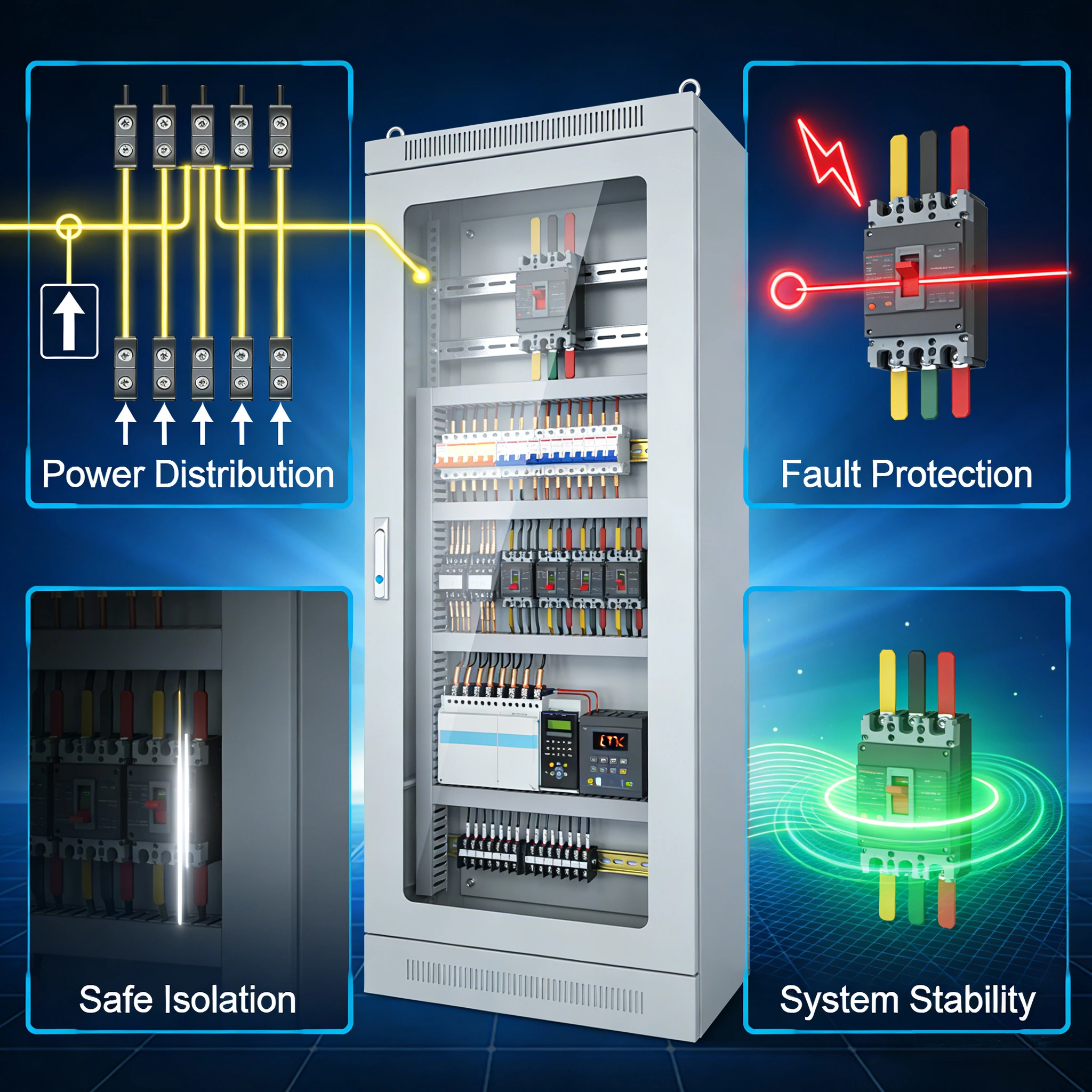
The primary function of low voltage switchgear (LV switchgear) is to ensure that electrical power is distributed in a controlled, safe, and reliable manner within low voltage systems.
In modern electrical infrastructure, low voltage switchgear serves as the central interface between the power supply and electrical loads, enabling stable system operation under both normal and abnormal conditions.
Power Distribution Control
One of the core functions of low voltage switchgear is to manage how electrical power is distributed across multiple circuits.
It enables operators to:
- Connect or disconnect power supply to specific circuits
- Control the flow of electricity to different loads
- Manage load allocation within the system
This level of control ensures that electrical energy is delivered where it is needed, without unnecessary losses or system imbalance.
Fault Protection and Safety Assurance
Another critical function of LV switchgear is to protect electrical systems from faults.
In real-world operation, electrical faults such as:Short circuits;Overloads;Ground faults
can cause severe damage to equipment and pose safety risks.
Low voltage switchgear is designed to detect abnormal conditions and isolate affected circuits quickly, minimizing damage and preventing fault propagation across the system.
This protective capability is essential in maintaining both equipment integrity and personnel safety.
3.What Are the Main Types of Low-Voltage Switchgear?
Low voltage switchgear (LV switchgear) can be classified based on structural design, functional configuration, and installation conditions. Each type has distinct characteristics, advantages, and limitations that directly affect system performance, maintenance, and cost. https://www.meygoelectric.com/low-voltage-distribution-cabinet
By Structural Form
The structural form of low voltage switchgear determines its maintainability, flexibility, and investment level.
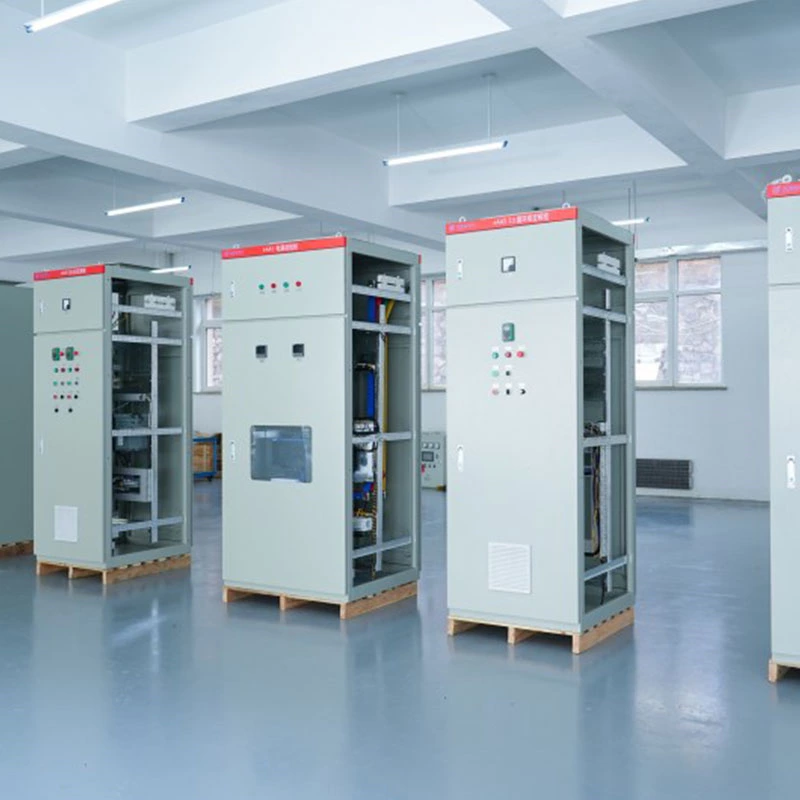
Fixed Type Low-Voltage Switchgear
Fixed type low voltage switchgear features permanently installed components that are not designed to be removed during operation.
- Characteristics:
- Simple internal layout
- Compact structure
- Lower manufacturing complexity
- Advantages:
- Lower initial cost
- High mechanical stability high
- Simple design reduces failure points
- Disadvantages:
- Maintenance requires full or partial power shutdown
- Limited flexibility for system expansion
- Longer downtime during fault handling
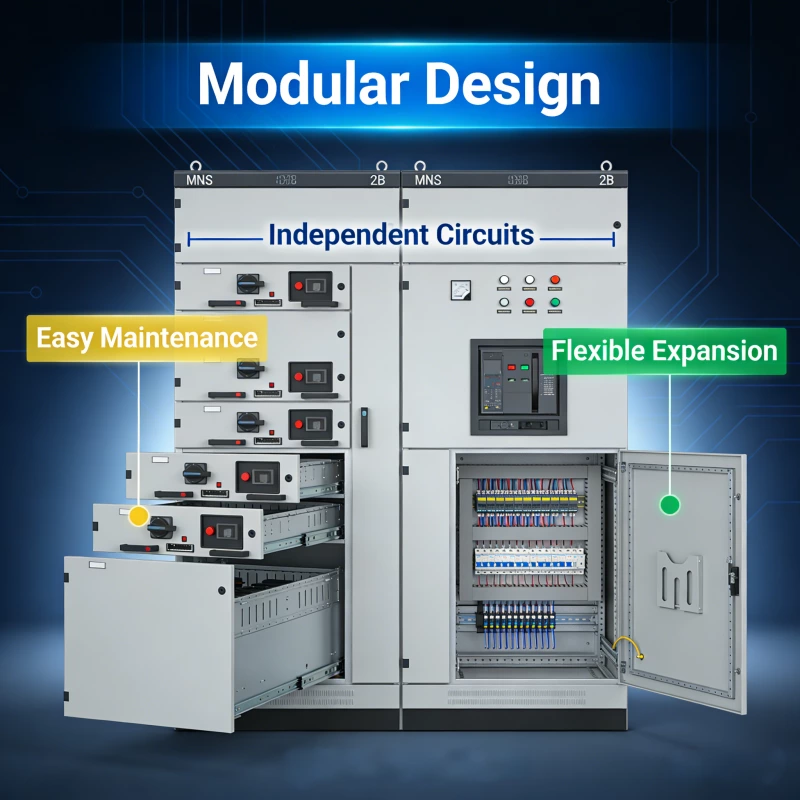
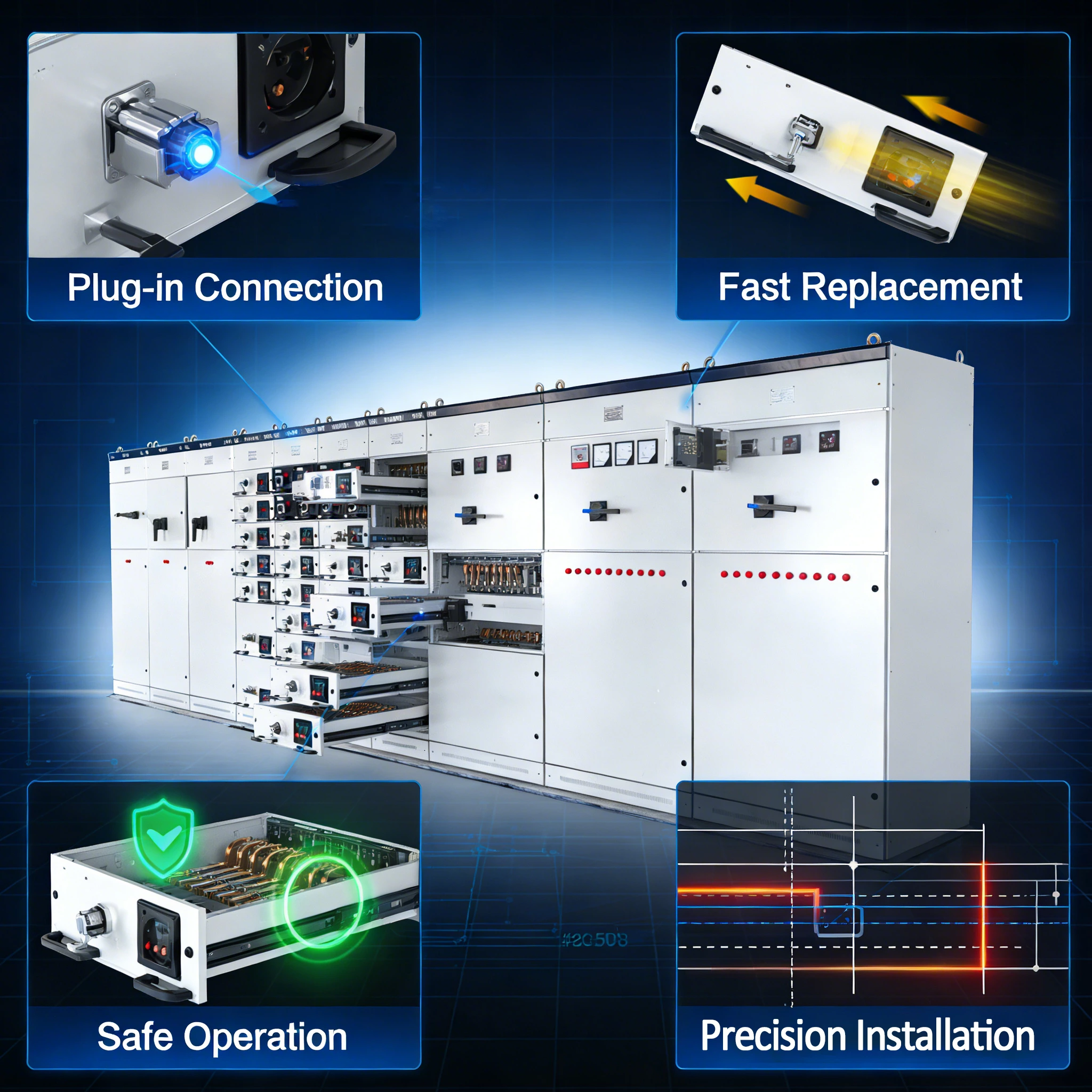
Plug-in / Withdrawable Switchgear
Plug-in or withdrawable low voltage switchgear is an advanced modular design with quick-connect capability.
- Characteristics:
- Plug-in connection system
- Tool-free or simplified operation
- Fast replacement mechanism
- Advantages:
- Minimal downtime during replacement
- High operational efficiency
- Improved safety during handling
- Disadvantages:
- Higher technical requirements
- Increased equipment cost
- Requires precise installation and alignment
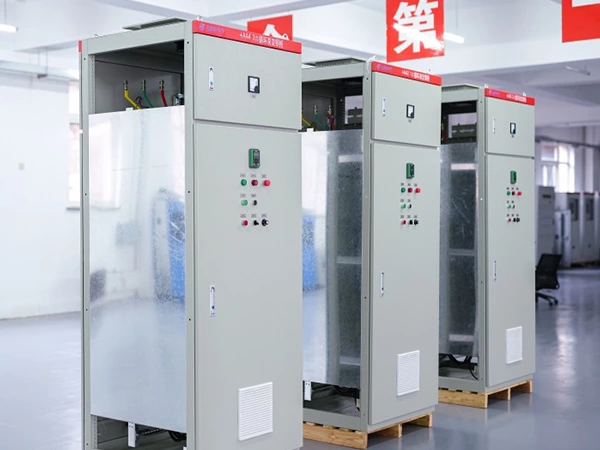
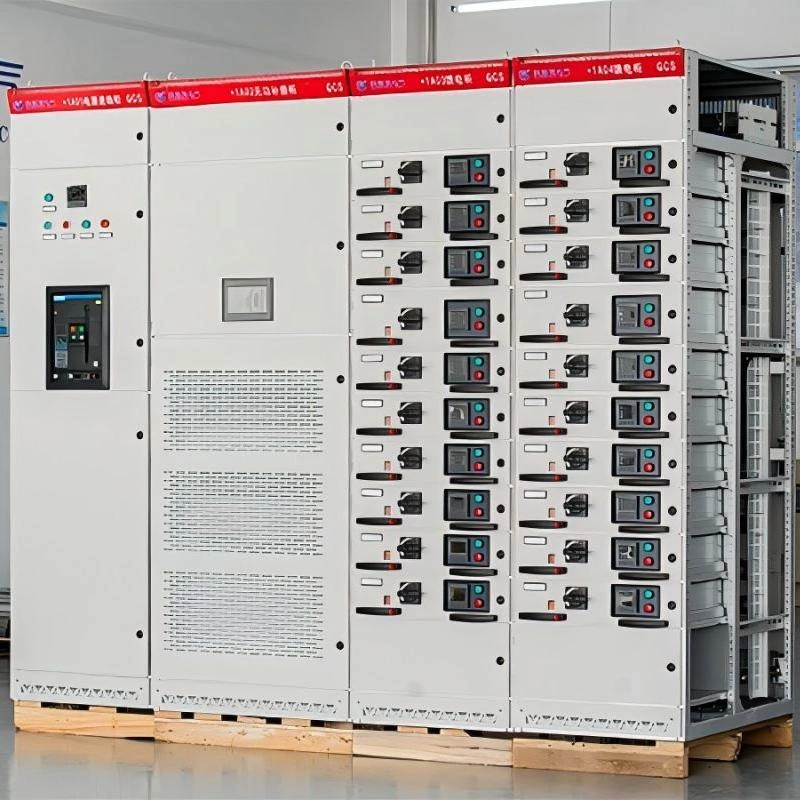
Drawer Type (Modular) Low-Voltage Switchgear
Drawer type LV switchgear (commonly known as MNS low voltage switchgear) uses modular withdrawable units.
- Characteristics:
- Functional units installed as independent drawers
- Standardized modular design
- Clear separation between circuits
- Advantages:
- Easy and fast maintenance
- High flexibility for upgrades
- Reduced impact on other circuits during servicing
- Disadvantages:
- Higher cost compared to fixed type
- More complex structure
- Requires higher assembly precision
By Functional Purpose
From a configuration perspective, low voltage switchgear can be categorized based on its system role.
-
Power Distribution Switchgear
Power distribution low voltage switchgear is designed for centralized power allocation.
Characteristics:
- Large current capacity
- Centralized configuration
- Simplified circuit structure
Advantages:
- Stable and reliable power allocation
- Cost-effective for large systems
- Easy system management
Disadvantages:
- Limited flexibility for frequent changes
- Expansion may require redesign
-
Motor Control Center (MCC)
MCC type LV switchgear is designed for grouped motor control.
Characteristics:
- High circuit density
- Integrated control modules
- Standardized unit configuration
Advantages:
- Efficient management of multiple loads
- High level of standardization
- Convenient maintenance for individual units
Disadvantages:
- Higher design complexity
- Requires accurate load planning
- Initial cost is relatively higher
-
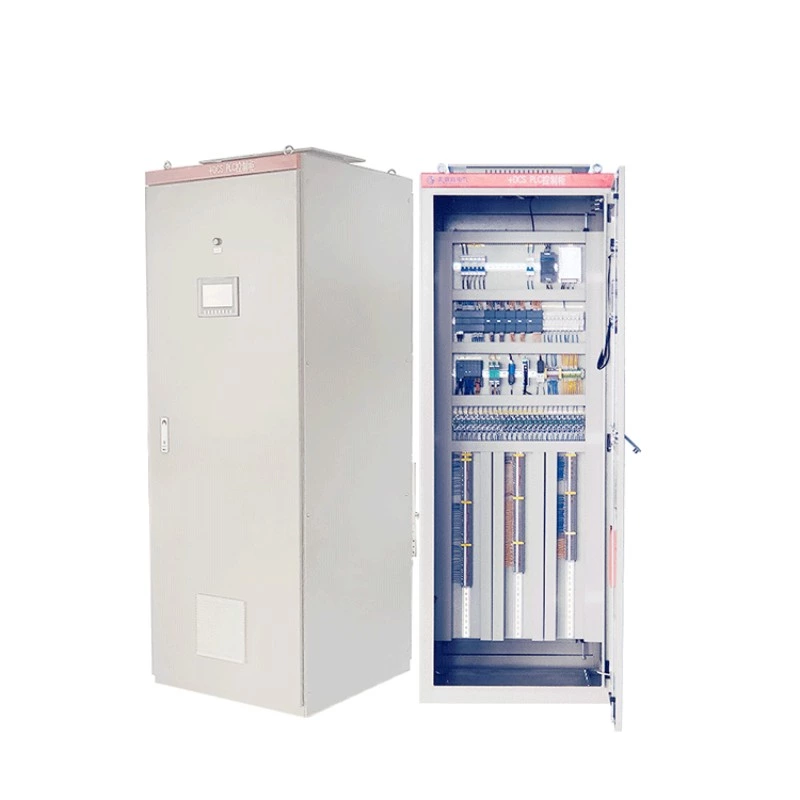
Control & Protection Switchgear
This type of low voltage switchgear emphasizes system monitoring and protection coordination.
Characteristics:
- Integrated control logic
- Advanced protection configuration
- High system sensitivity
Advantages:
- Enhanced system safety
- Precise fault response
- Better control accuracy
Disadvantages:
- Higher technical requirements
- More complex commissioning
- Increased cost due to additionalcomponents
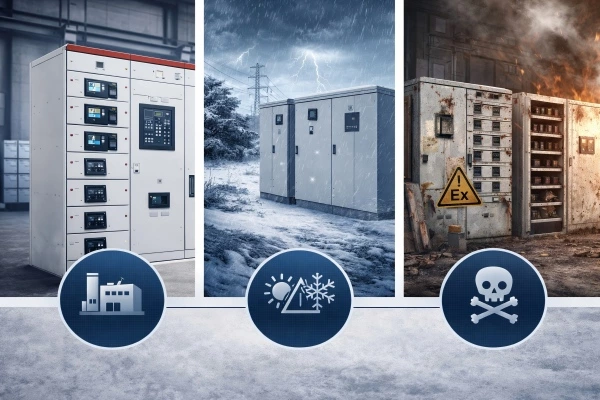
By Application Environment
Environmental conditions influence the enclosure design and protection level of low voltage switchgear.
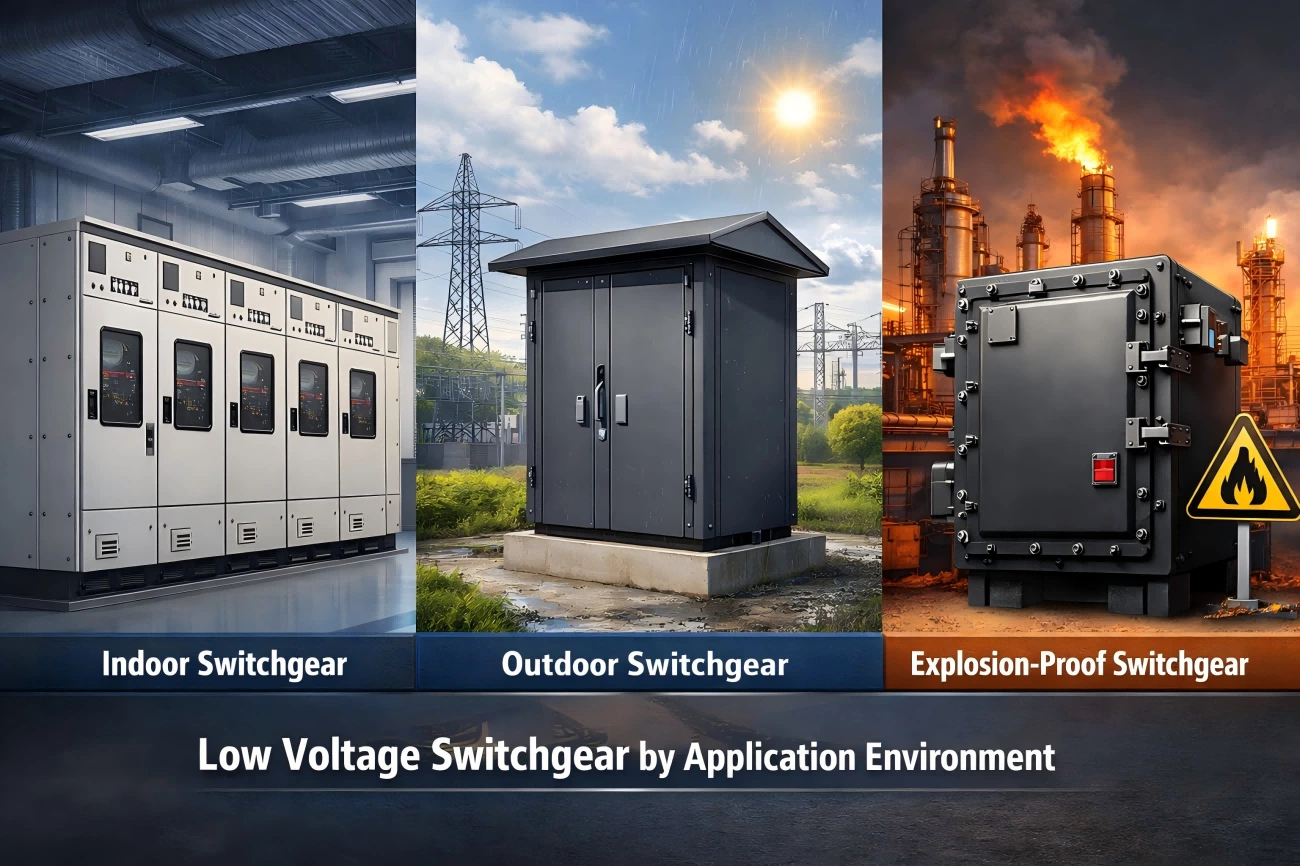
| Type | Indoor Low-Voltage Switchgear | Outdoor Low-Voltage Switchgear | Explosion-proof Low-Voltage Switchgear |
|---|---|---|---|
| Characteristics | Standard enclosure protection Designed for controlled environments Compact and space-efficient |
Reinforced enclosure design Higher protection rating (IP level) Weather-resistant materials |
Specialized sealed structure Explosion-proof certification Reinforced safety design |
| Advantages | Lower cost Easier installation Simplified maintenance |
Strong environmental adaptability Durable under harsh conditions |
High safety level Reliable operation in hazardous conditions |
| Disadvantages | Limited resistance to harsh conditions Requires controlled installation environment |
Higher cost Larger size More complex installation requirements |
Significantly higher cost Complex manufacturing process Strict installation requirements |
Other Common Classifications
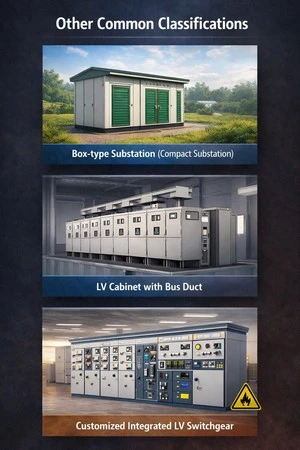
- Box-type Substation
Characteristics:
- Integrated structure
- Compact footprint
- Factory-assembled unit
Advantages:
- Reduced installation time
- Space-saving design
Disadvantages:
- Limited flexibility after installation
- Higher transportation requirements
-
LV Cabinet with Bus Duct
Characteristics:
- Integrated busbar transmission system
- High current carrying capacity
Advantages:
- Efficient power transmission
- Reduced cable complexity
Disadvantages:
- Higher installation precision required
- Increased initial investment
-
Customized Integrated LV Switchgear
Characteristics:
- Tailor-made design
- Flexible configuration
- Project-specific layout
Advantages:
- Fully matches project requirements
- Optimized system performance
Disadvantages:
- Longer production cycle
- Higher design and engineering cost
4.How Does Low-Voltage Switchgear Work?
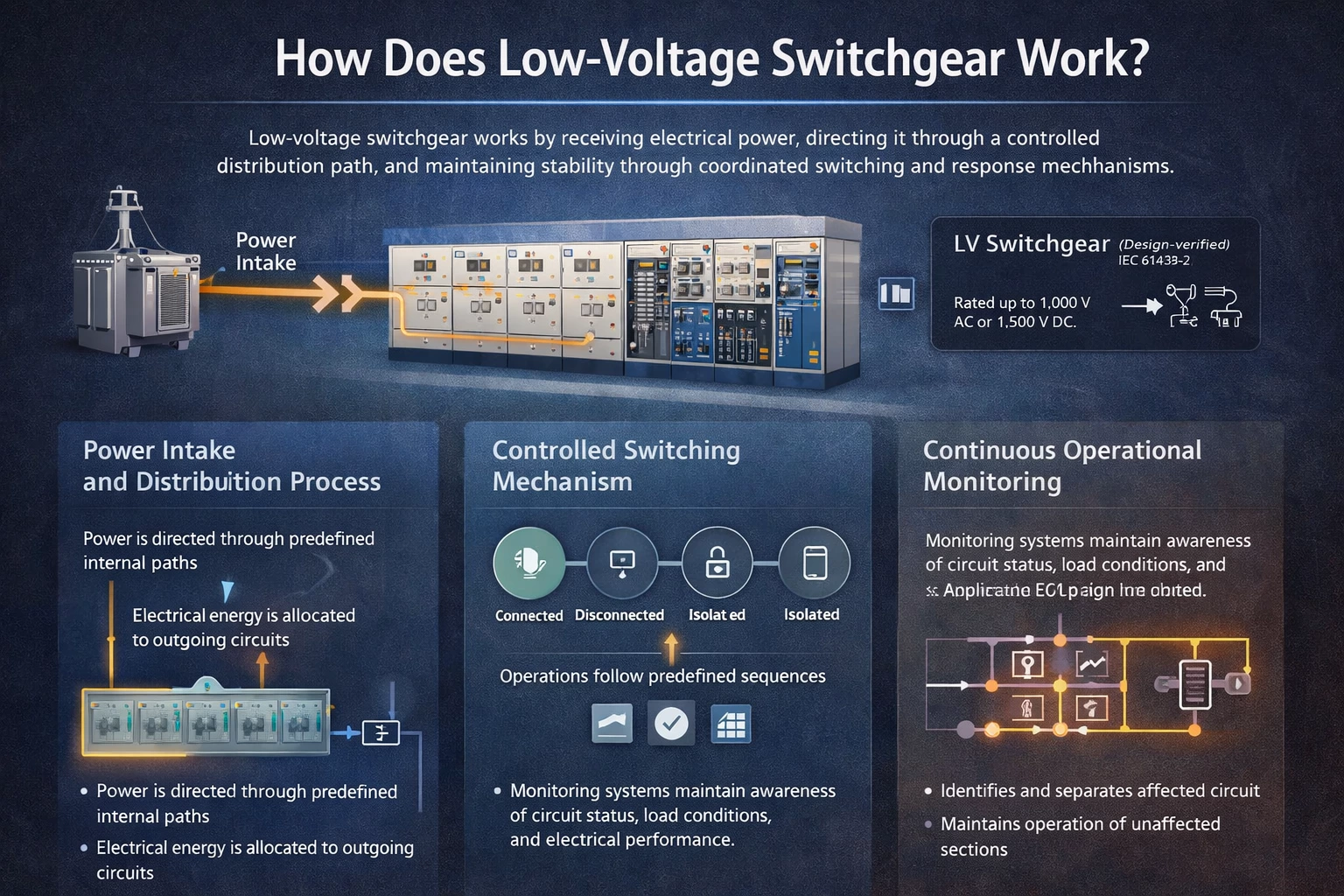
Low voltage switchgear (LV switchgear) works by receiving electrical power, directing it through a controlled distribution path, and maintaining system stability through coordinated switching and response mechanisms.
In low-voltage systems, this process is carried out within assemblies that are designed and verified according to international standards such as IEC 61439-2, which defines requirements for low-voltage switchgear and controlgear assemblies. According to IEC: https://webstore.iec.ch/en/publication/30043
low-voltage assemblies covered by this standard are typically rated up to 1,000 V AC or 1,500 V DC, forming the operating range of LV switchgear.
🔹 Power Intake and Distribution Process
The operation of low voltage switchgear begins when electrical power enters the system from an upstream source such as a transformer.
Once inside the assembly:
- Power is directed through predefined internal paths
- Electrical energy is allocated to different outgoing circuits
- Each circuit operates under controlled conditions
This organized distribution process ensures that electrical energy flows in a stable and predictable manner across the system.
Siemens describes low-voltage switchboards as design-verified assemblies used for safe and reliable power distribution under IEC standards: 👉 https://www.siemens.com/low-voltage
🔹 Controlled Switching Mechanism
A key aspect of how LV switchgear works is controlled switching.
Within the system, electrical circuits can be:
- Connected to the power supply
- Disconnected from the system
- Isolated for operational purposes
These switching actions follow predefined sequences to ensure that transitions occur safely and without disrupting the overall system.
This controlled switching process allows the system to adapt to changing electrical conditions while maintaining stability.
🔹 Continuous Operational Monitoring
During normal operation, low voltage switchgear functions under continuous supervision of electrical conditions.
The system maintains awareness of:
- Circuit status
- Load conditions
- Electrical performance
Modern low-voltage switchgear systems, as described by ABB, integrate monitoring and control capabilities into a unified platform:
👉 https://new.abb.com/low-voltage/products/switchgear/mcc-and-iec-low-voltage-switchgear/mns
This integration enables real-time awareness of system conditions without interrupting operation.
🔹 Response to System Abnormalities
When abnormal electrical conditions occur, LV switchgear responds through a controlled sequence.
The process includes:
- Identifying the affected circuit
- Separating that circuit from the system
- Maintaining operation of unaffected sections
This selective response ensures that disturbances are contained within a limited area of the system.
🔹 Coordinated System Operation
Low voltage switchgear operates as a coordinated assembly rather than as independent devices.
Its working principle relies on:
- Predefined switching coordination
- Structured power flow paths
- System-level operational logic
ABB defines its low-voltage switchgear systems as complete assemblies for power distribution and motor control, emphasizing coordinated operation across the system.
5.What Are the Main Components of Low-Voltage Switchgear?
Low voltage switchgear (LV switchgear) is composed of multiple coordinated electrical components assembled into a unified system. Each component performs a specific role within the overall distribution process, ensuring that the system operates in a controlled and stable manner.
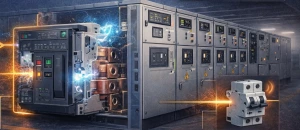
Circuit Breakers
Circuit breakers are one of the most critical components in low voltage switchgear.
They are responsible for:
- Establishing and interrupting electrical circuits
- Automatically disconnecting circuits under abnormal conditions
- Maintaining safe operation of the system
Circuit breakers are typically installed at both incoming and outgoing sections of the LV switchgear panel, forming the primary control interface of the system.
 Busbar System
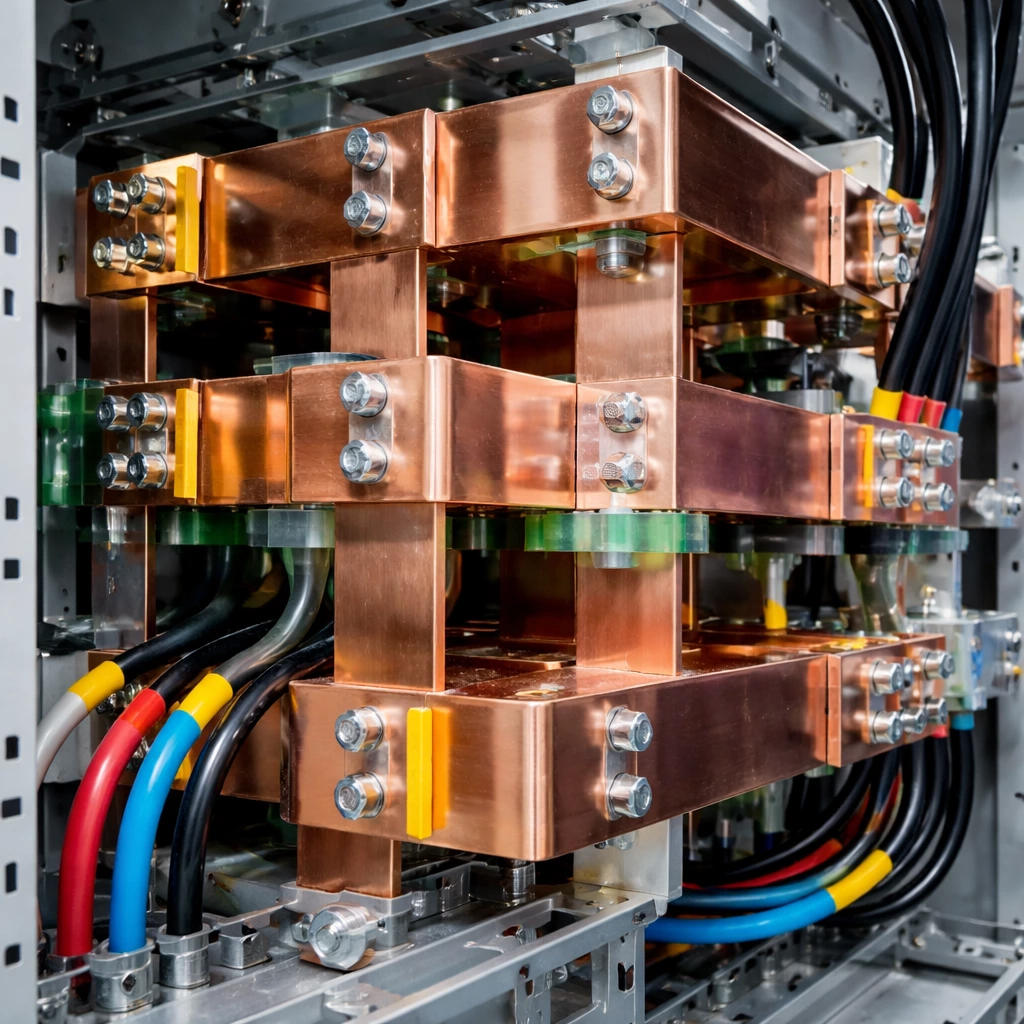
The busbar system is the main conductive path inside low voltage switchgear.
Its role is to:
- Distribute electrical power within the assembly
- Connect incoming and outgoing circuits
- Ensure stable current transmission
Busbars are usually made of copper or aluminum and are designed to handle high current loads with minimal energy loss.
Protection Devices
Protection devices are integrated into LV switchgear to detect abnormal electrical conditions.
These include:
- Overcurrent protection
- Short-circuit protection
- Ground fault detection
They ensure that the system can identify abnormal situations and respond appropriately, maintaining system integrity.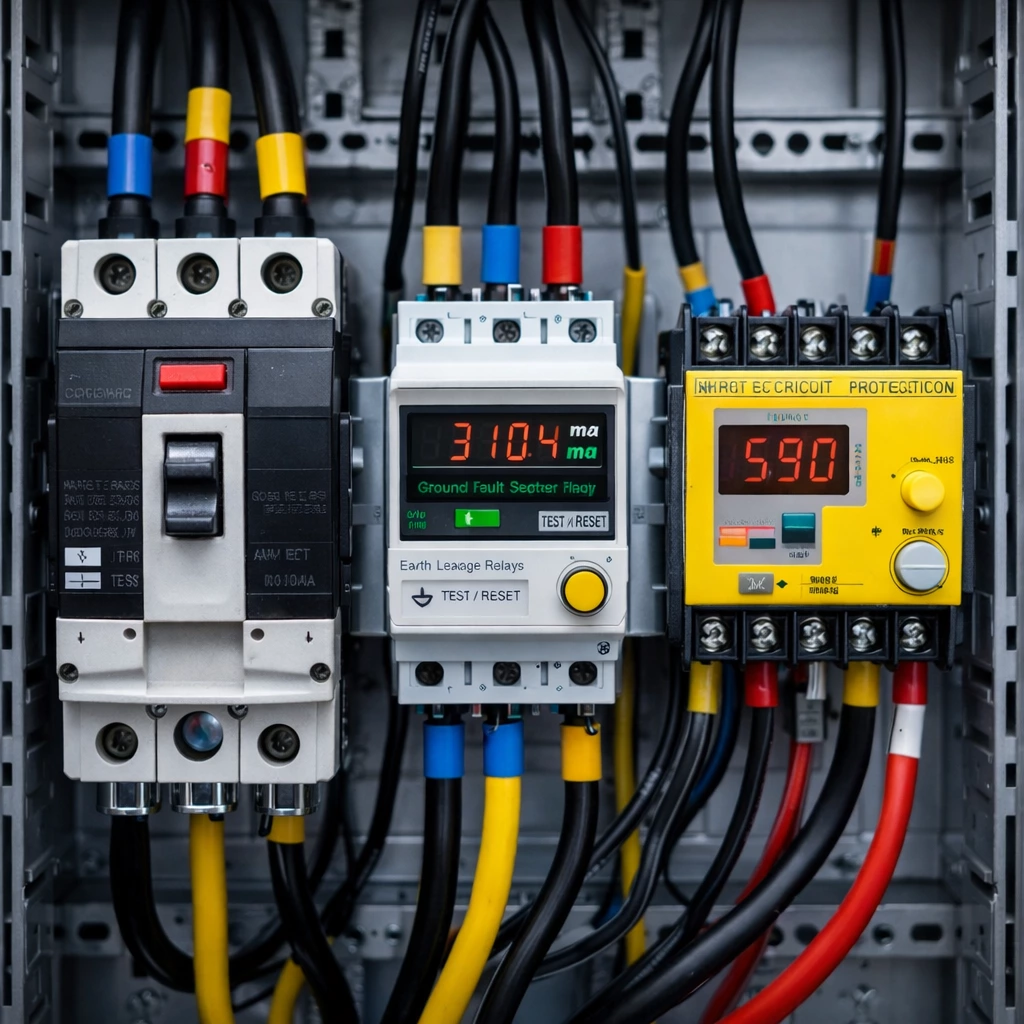
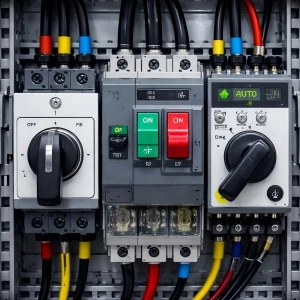 Switching Devices
Switching devices are used to control the connection state of circuits.
They allow:
- Manual or automatic switching operations
- Safe disconnection of circuits
- Operational flexibility within the system
These devices are essential for routine operation and system management.
6.In Which Industries Is Low-Voltage Switchgear Used?
Low voltage switchgear (LV switchgear) is widely used across multiple industries where stable and reliable power distribution is essential. As a core component of electrical infrastructure, it supports a wide range of applications from basic facility power supply to complex industrial systems.
🔹 Industrial Manufacturing
In industrial environments, low voltage switchgear is used to support production systems that require continuous and stable power.
It plays a key role in:
- Manufacturing plants
- Machinery operation systems
- Automated production lines
In large-scale manufacturing projects, integrated LV switchgear panels are often combined with control systems to ensure smooth operation and energy efficiency.
🔹 Construction and Commercial Buildings
In commercial and construction projects, low voltage switchgear is used as the main distribution system within buildings.
Typical installations include:
- Office buildings
- Commercial complexes
- Residential infrastructure
In modern commercial projects, main low voltage switchboards provide centralized power management for lighting, HVAC systems, and other building services.
🔹 Energy and Power Infrastructure
Low voltage switchgear is a key element in energy systems, including both traditional and renewable energy projects.
It is commonly used in:
- Power distribution stations
- Solar energy systems
- Wind energy systems
In photovoltaic projects, integrated LV switchgear systems ensure stable energy conversion and reliable grid connection, as demonstrated in large-scale solar installations .
🔹 Water Treatment and Utilities
In water treatment facilities and utility systems, LV switchgear is used to support continuous operation of pumps, control systems, and automation equipment.
These systems require:
- High operational stability
- Reliable power supply
- Continuous monitoring
In wastewater treatment projects, complete electrical systems including low voltage switchgear and control cabinets are used to maintain efficient and uninterrupted operation .
🔹 Healthcare and Public Infrastructure
Hospitals and public facilities rely heavily on low voltage switchgear for stable and safe power distribution.
These environments require:
- High reliability
- Continuous power availability
- Strict safety standards
In medical infrastructure projects, LV switchgear systems are used to ensure stable electricity for critical equipment and essential services .
🔹 Mining and Heavy Industry
In mining and heavy industrial operations, low voltage switchgear is used to support high-load equipment and demanding working conditions.
It is applied in:
- Mining operations
- Metallurgical plants
- Heavy machinery systems
In such environments, LV switchgear must operate reliably under harsh conditions while supporting high power demand and continuous operation .
🔹 Transportation and Infrastructure Projects
Low voltage switchgear is also widely used in infrastructure projects such as:
- Ports
- Rail systems
- Urban infrastructure
These systems require stable power distribution for operational equipment, lighting, and control systems. In port power distribution projects, integrated LV switchgear systems ensure reliable electricity for large-scale operations .
🔹 Data Centers and Smart Facilities
With the growth of digital infrastructure, low voltage switchgear plays an increasingly important role in data centers and intelligent facilities.
These environments require:
- High reliability
- Continuous operation
- Precise power management
Modern LV switchgear supports these requirements by enabling stable and efficient power distribution across critical systems.
7.What Is the Difference Between Low-Voltage Switchgear and Distribution Boards?
Although low voltage switchgear (LV switchgear) and distribution boards are both used in low voltage power systems, they are fundamentally different in terms of design level, system role, and performance capability.
Understanding this difference is critical for selecting the right equipment for a project.
🔹 Core Difference in Concept
At a basic level:
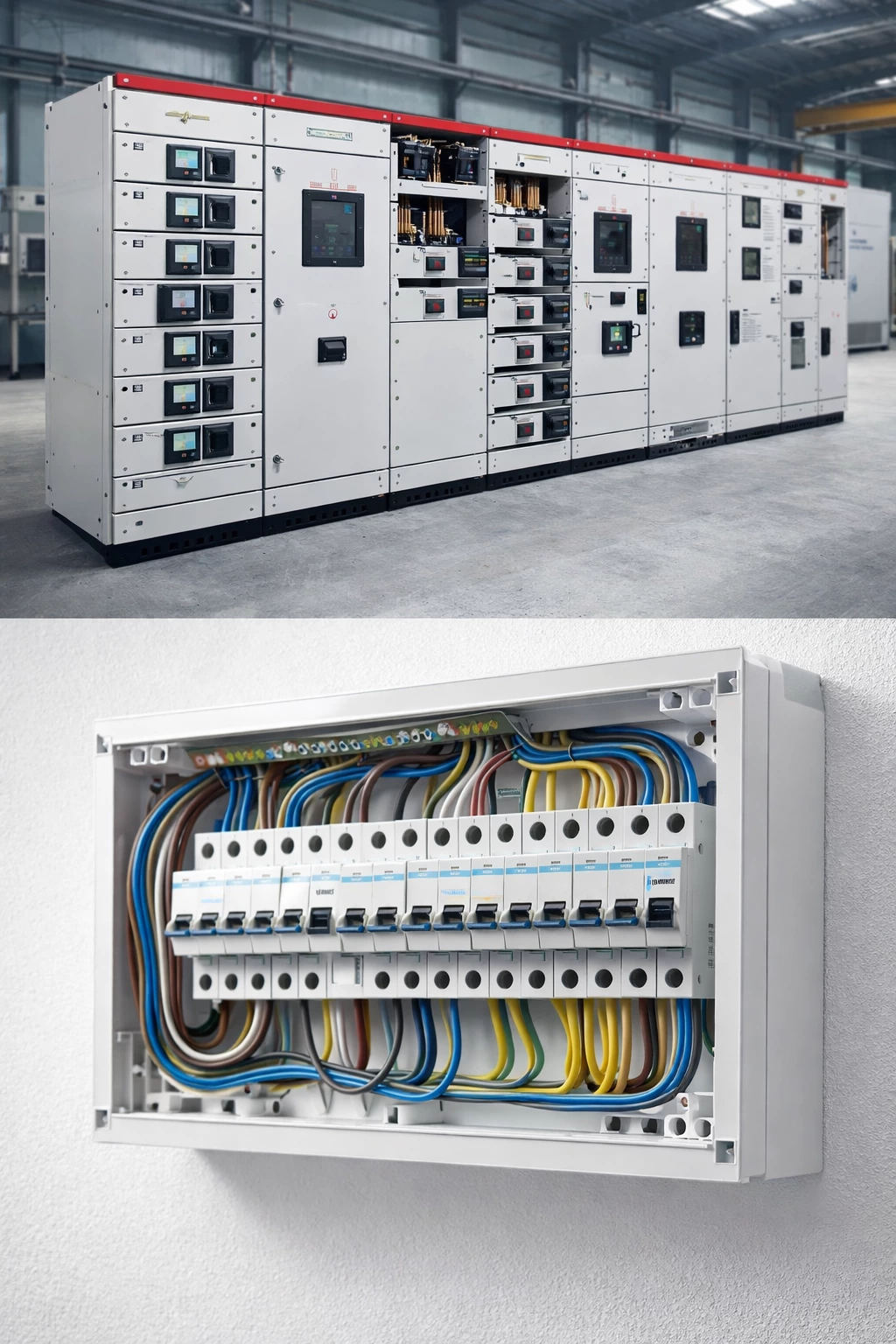
- Low voltage switchgear is a system-level electrical assembly
- Distribution boards are terminal-level power distribution devices.
This means LV switchgear is typically used closer to the main power source, while distribution boards are used closer to end loads.
🔹 Structural and Design Differences
Low voltage switchgear is designed as a complete and coordinated system, while distribution boards are simpler assemblies with limited integration.
- LV switchgear → engineered system
- Distribution board → simplified distribution unit
This difference directly affects performance, scalability, and reliability.
🔹 Functional Depth and Capability
Although both handle power distribution, their capability levels differ significantly
- LV switchgear supports advanced control, protection coordination, and system-level management
- Distribution boards mainly distribute power to final circuits with limited control capability
This makes low voltage switchgear suitable for complex systems, while distribution boards are used for basic distribution needs.
🔹 Performance and Reliability
Low voltage switchgear is built for higher performance environments:
- Higher current capacity
- Better fault handling capability
- More stable operation under load changes
Distribution boards, by comparison, are designed for lighter loads and simpler systems.
🔹 Cost and Complexity
From a procurement perspective:
- LV switchgear → higher cost, higher capability
- Distribution boards → lower cost, limited functionality
The selection depends on system requirements, not just budget.
🔹 Comparison Table
| Aspect | Low Voltage Switchgear (LV Switchgear) | Distribution Board |
|---|---|---|
| System Level | System-level assembly | Terminal distribution unit |
| Complexity | High | Low |
| Control Capability | Advanced | Basic |
| Protection Level | Coordinated system protection | Limited protection |
| Current Capacity | High | Medium to low |
| Flexibility | High | Limited |
| Cost | Higher | Lower |
| Typical Position | Main distribution level | Final distribution level |
🔹 Practical Selection Insight
In practical projects:
Choose low voltage switchgear when the system requires high reliability, scalability, and control.
Choose distribution boards when the requirement is simple, localized power distribution.
Making the wrong choice can lead to:
- Overdesign (unnecessary cost)
- Underdesign (system instability and risk)
8.How to Select Low-Voltage Switchgear?
Selecting the right low voltage switchgear (LV switchgear) is not simply a matter of choosing a product. It requires a systematic evaluation of technical requirements, project conditions, and cost factors.
A well-informed selection ensures system reliability, cost efficiency, and long-term operational stability.
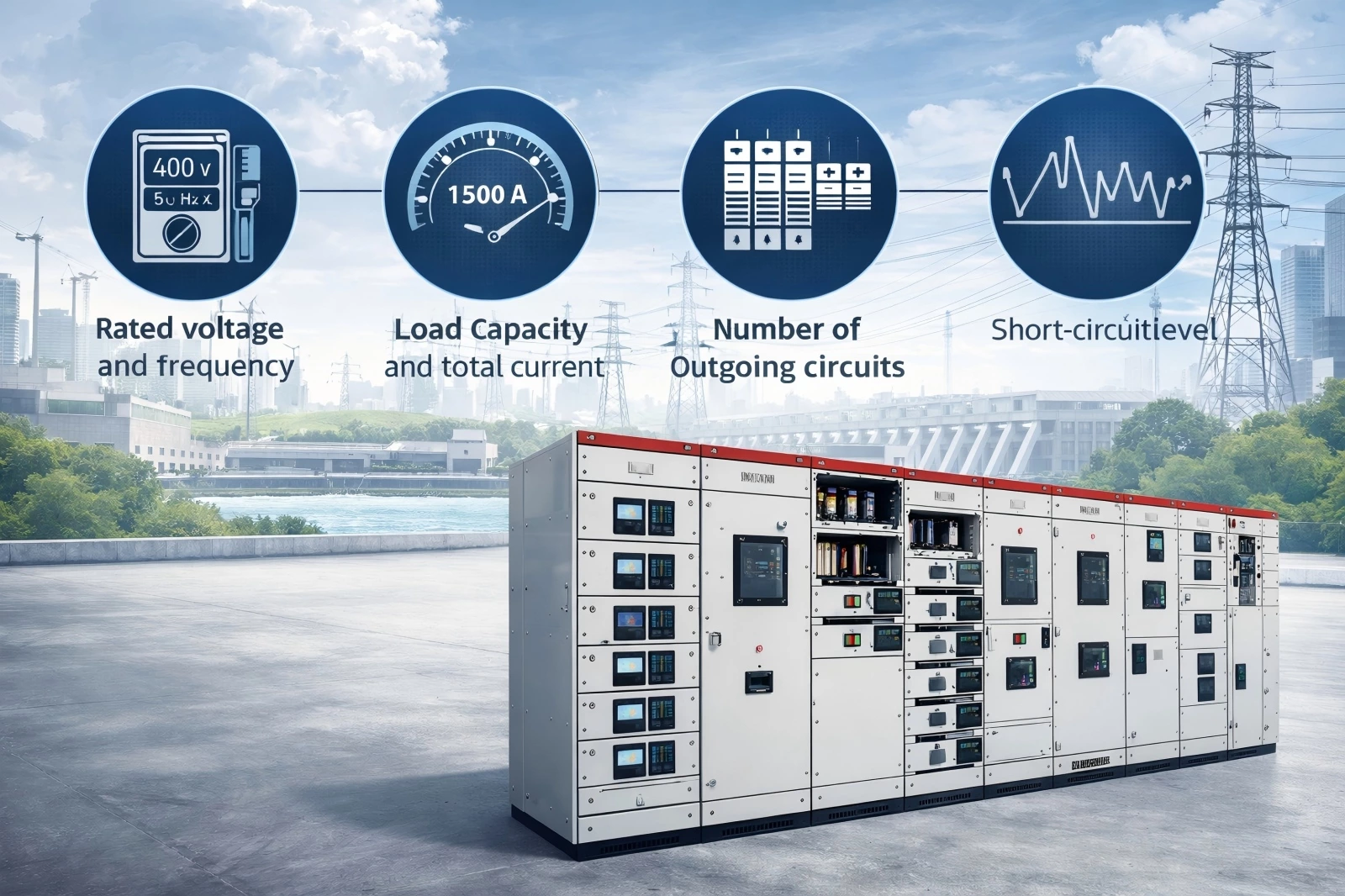
Step 1: Define Electrical System Requirements
The first step in selecting low voltage switchgear is to clearly define the electrical parameters of the system.
Key factors include:
- Rated voltage and frequency
- Load capacity and total current
- Number of outgoing circuits
- Short-circuit level
These parameters determine the basic configuration of the LV switchgear panel and ensure compatibility with the overall power system.
Step 3: Evaluate Installation Environment
The operating environment plays a critical role in selecting LV switchgear.
Important considerations:
- Indoor or outdoor installation
- Temperature and humidity conditions
- Dust, corrosion, or hazardous environments
Environmental conditions determine enclosure protection level, material selection, and overall durability of the low voltage switchgear.
Step 5: Select Reliable Manufacturers
Choosing the right supplier is as important as selecting the equipment itself.
When evaluating low voltage switchgear manufacturers, consider:
- Manufacturing capability
- Engineering and design support
- Quality control system
- Project experience
Reliable manufacturers provide not only products, but also complete technical solutions.

Step 7: Consider Future Expansion
Modern electrical systems often require scalability.
When selecting LV switchgear, consider:
- Space for additional circuits
- Modular expansion capability
- Compatibility with future upgrades
Planning for expansion can significantly reduce future modification costs.
Step 2: Determine Structural Type
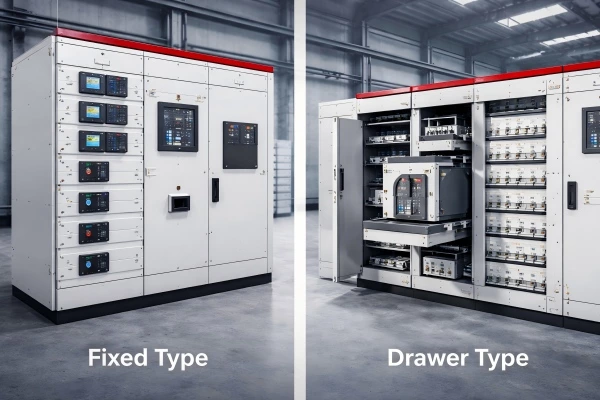
Different projects require different structural designs of low voltage switchgear.
Selection should consider:
- Fixed type vs drawer type
- Expandability requirements
- Maintenance accessibility
For example:
- Fixed type → suitable for cost-sensitive and stable systems
- Drawer type → suitable for systems requiring flexibility and fast maintenance
Choosing the right structure directly affects long-term operation and maintenance efficiency.
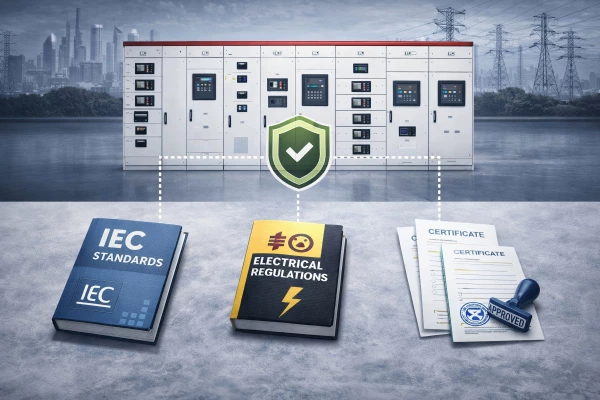
Step 4: Confirm Technical Standards and Compliance
Compliance with recognized standards ensures safety and compatibility.
Key references include:
- IEC standards for low voltage systems
- Local electrical regulations
- Project-specific certification requirements
standardized design and verification are essential for reliable operation of low voltage switchgear.

Step 6: Analyze Cost Structure
The cost of low voltage switchgear includes more than the initial purchase price.
Key cost factors:
- Equipment price
- Transportation and logistics
- Installation and commissioning
- Maintenance and lifecycle cost
A lower upfront price does not always mean lower total cost. A balanced evaluation is necessary.
Practical Selection Logic
In summary, selecting low voltage switchgear should follow a clear decision path:
- Define system requirements
- Choose appropriate structure
- Evaluate environment
- Ensure compliance
- Select reliable supplier
- Analyze total cost
- Plan for future expansion
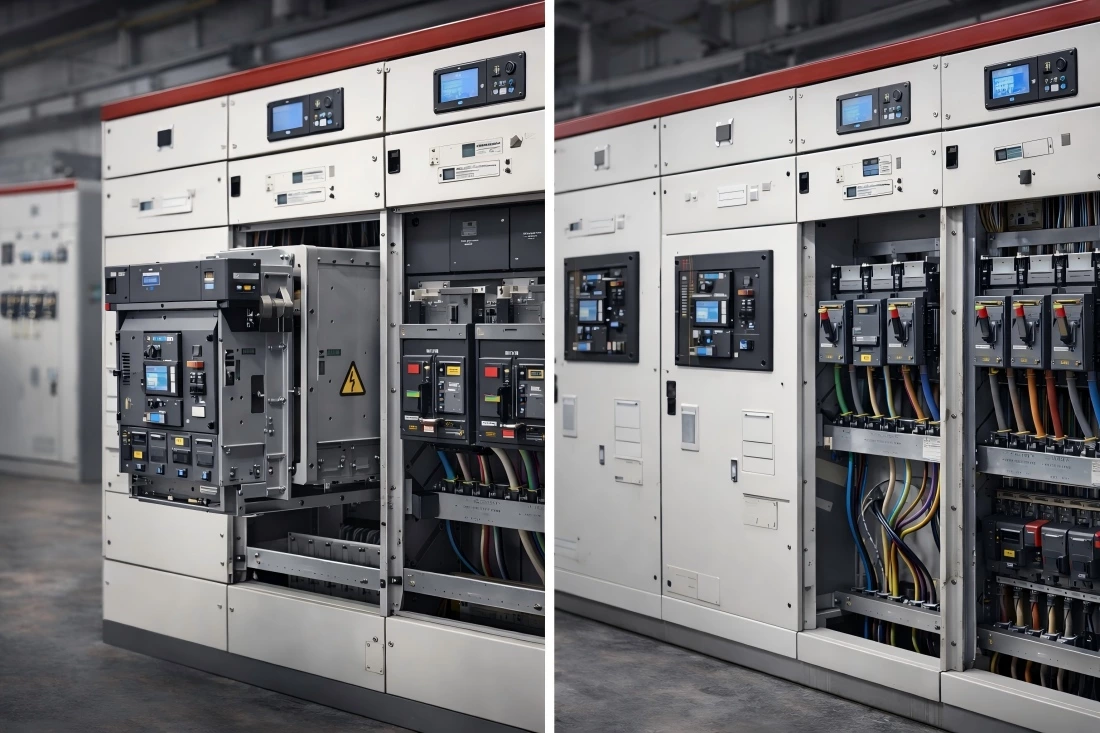
9.What Is the Difference Between Draw-out and Fixed-Type Low-Voltage Switchgear?
Draw-out low voltage switchgear and fixed-type low voltage switchgear are two fundamental structural designs in low voltage switchgear (LV switchgear) systems.
The difference between them directly affects maintenance efficiency, system flexibility, and overall investment cost.
🔹 Core Structural Difference
The most essential difference lies in how functional units are installed and handled.
- Fixed-type LV switchgear → components are permanently installed
- Draw-out LV switchgear → components are installed in removable drawers
This structural difference defines how the system is operated, maintained, and expanded.
🔹 Maintenance and Accessibility
Maintenance capability is one of the most critical distinctions.
| Fixed-type | Draw-out type |
|---|---|
|
|
|
|
|
|
From an operational perspective, draw-out LV switchgear significantly reduces downtime.
🔹 System Flexibility
Flexibility determines how well the system can adapt to changes.
| Fixed-type | Draw-out type |
|---|---|
|
|
|
|
|
|
🔹 Safety Level
Safety performance is influenced by how easily circuits can be isolated.
| Fixed-type | Draw-out type |
|---|---|
|
|
|
|
This makes draw-out LV switchgear more suitable for high-reliability systems.
🔹 Cost Comparison
From a procurement perspective, cost is a key factor.
- Fixed-type LV switchgear → lower initial cost
- Draw-out LV switchgear → higher investment
However, the total cost should consider:
- Maintenance efficiency
- Downtime reduction
- Lifecycle performance
In many industrial projects, draw-out systems offer better long-term value despite higher upfront cost.
🔹 Comparison Table
| Aspect | Draw-out LV Switchgear | Fixed-Type LV Switchgear |
|---|---|---|
| Structure | Modular, withdrawable units | Fixed installation |
| Maintenance | Fast, no full shutdown required | Requires shutdown |
| Flexibility | High | Low |
| Safety | Higher (clear isolation states) | Lower |
| Downtime | Minimal | Longer |
| Initial Cost | Higher | Lower |
| Lifecycle Value | Higher | Moderate |
🔹 Selection Guidance
Choosing between draw-out and fixed-type low voltage switchgear depends on project priorities:
Choose fixed-type LV switchgear when:
- Budget is limited
- System is stable with low modification needs
Choose draw-out LV switchgear when:
- System reliability is critical
- Maintenance must be fast
- Future expansion is expected
10.What Are the Functions of Intelligent Low-Voltage Switchgear?
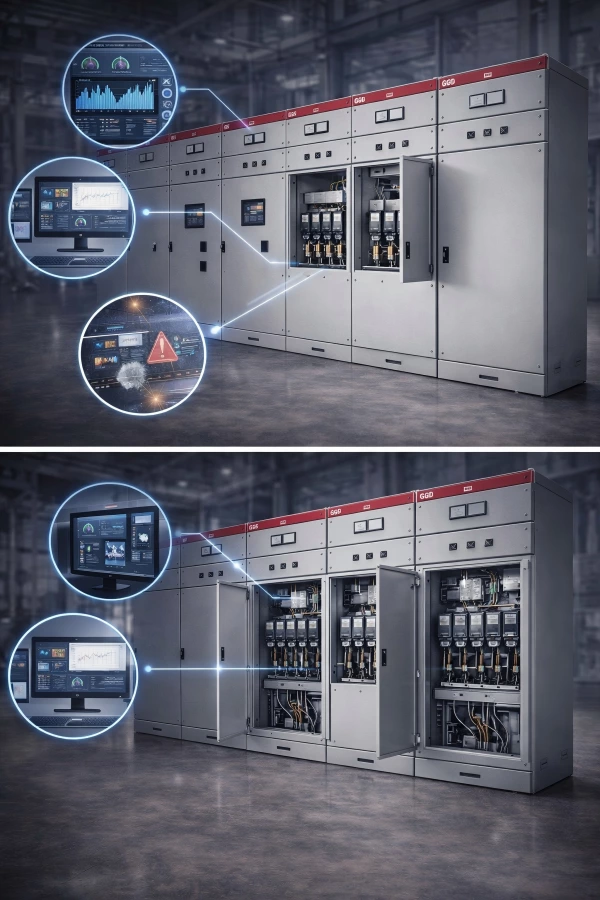
With the development of digitalization and automation, low voltage switchgear (LV switchgear) has evolved from traditional electrical equipment into an intelligent system capable of data processing, real-time monitoring, and remote management.
Intelligent low voltage switchgear integrates advanced sensing, communication, and control technologies to enhance system visibility, efficiency, and reliability.
🔹 Real-Time Data Monitoring
One of the core functions of intelligent LV switchgear is real-time monitoring of electrical parameters.
It enables continuous tracking of:
- Current and voltage levels
- Power consumption
- Load distribution
This data provides a clear view of system performance and helps operators understand how energy is being used.。
Modern low-voltage solutions from global manufacturers emphasize digital monitoring capabilities: 👉 https://new.abb.com/low-voltage
🔹 Remote Control and Operation
Intelligent low voltage switchgear allows remote operation of electrical systems.
This includes:
- Remote switching of circuits
- System control from centralized platforms
- Reduced need for on-site manual intervention
Remote operation improves efficiency and enables faster response to system changes, especially in large or distributed facilities.
🔹 Fault Detection and Early Warning
Unlike traditional systems, intelligent LV switchgear can identify potential issues before they become critical failures.
It provides:
- Early warning of abnormal conditions
- Real-time fault alerts
- Event recording and analysis
This proactive approach reduces unexpected downtime and improves overall system reliability.
🔹 Energy Management and Optimization
Energy efficiency is a major concern in modern electrical systems.
Intelligent low voltage switchgear supports:
- Energy consumption analysis
- Load optimization
- Power usage tracking
These capabilities help users reduce energy waste and improve operational efficiency.
According to Siemens low-voltage solutions, digital systems support energy transparency and optimization:👉 https://www.siemens.com/low-voltage
🔹 System Integration and Communication
Intelligent LV switchgear is designed to integrate with broader electrical and automation systems.
It supports:
- Communication with SCADA systems
- Integration with building management systems (BMS)
- Data exchange with industrial control platforms
This allows the switchgear to function as part of a larger intelligent infrastructure.
🔹 Predictive Maintenance Capability
A key advantage of intelligent systems is the ability to predict maintenance needs.
Intelligent low voltage switchgear can:
- Analyze operating data trends
- Identify potential equipment wear
- Suggest maintenance before failure occurs
This reduces maintenance costs and extends equipment lifespan.
🔹 Improved Operational Visibility
With integrated digital interfaces, intelligent LV switchgear provides clear and accessible system information.
Operators can:
- View system status in real time
- Access historical data访
- Make informed operational decisions
This level of visibility significantly improves system management efficiency.
11.Future Trends of LV and MV Switchgear
The development of low voltage switchgear (LV switchgear) and medium voltage (MV) switchgear is closely aligned with global trends in energy, digitalization, and industrial automation.
As power systems become more complex and interconnected, both LV and MV switchgear are evolving toward higher intelligence, greater integration, and improved sustainability.
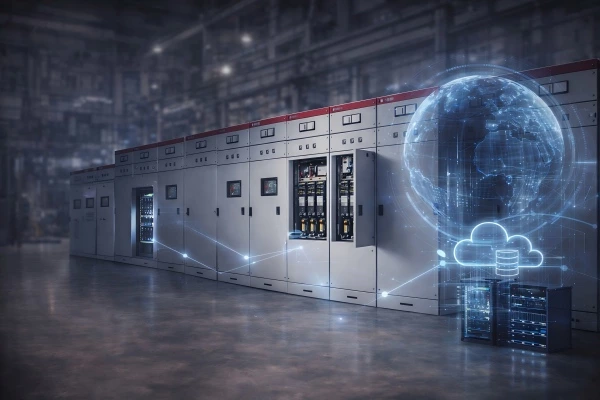
🔹 Trend 1: Digitalization and Smart Integration
One of the most significant trends is the transition from traditional systems to digital and intelligent switchgear.
Modern LV and MV switchgear increasingly incorporates:
- Real-time data acquisition
- Intelligent monitoring systems
- Cloud-based platforms
This shift enables operators to manage electrical systems with greater accuracy and efficiency, transforming switchgear from passive equipment into active management systems.
🔹 Trend 2: Integration of LV and MV Systems
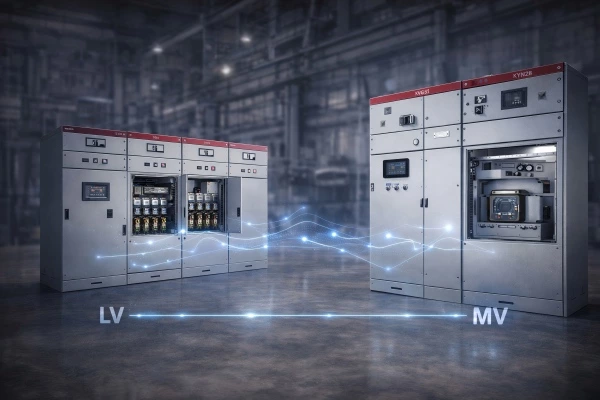
In large-scale projects, the integration of LV and MV switchgear is becoming more common.
Instead of operating as separate systems, they are now designed to work together as part of a unified electrical architecture.
This integration provides:
- Improved system coordination
- Simplified power distribution structure
- Enhanced operational efficiency
The convergence of low and medium voltage switchgear allows for better overall system performance.
🔹 Trend 3: Energy Efficiency and Sustainability
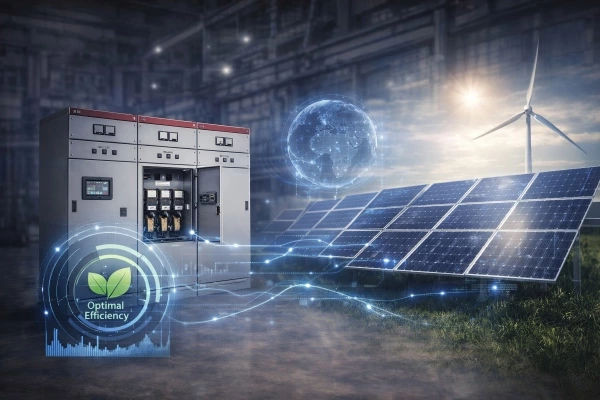
With increasing focus on energy conservation, LV switchgear is evolving to support more efficient power usage.
Key developments include:
- Energy monitoring and optimization
- Reduced power loss in distribution systems
- Support for renewable energy integration
These advancements help organizations reduce operational costs while meeting environmental goals.
🔹 Trend 4: Support for Renewable Energy Systems
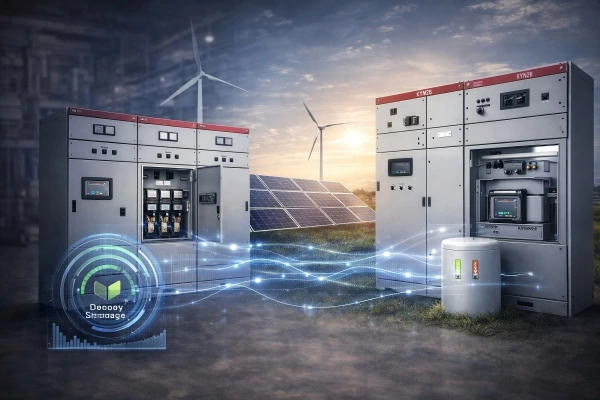
The rise of renewable energy is reshaping the design of LV and MV switchgear.
Modern systems are increasingly required to support:
- Solar power integration
- Wind energy systems
- Energy storage solutions
This requires switchgear to handle more dynamic and variable power conditions while maintaining stability.
🔹 Trend 5: Modular and Scalable Design
Flexibility is becoming a key requirement in modern electrical systems.
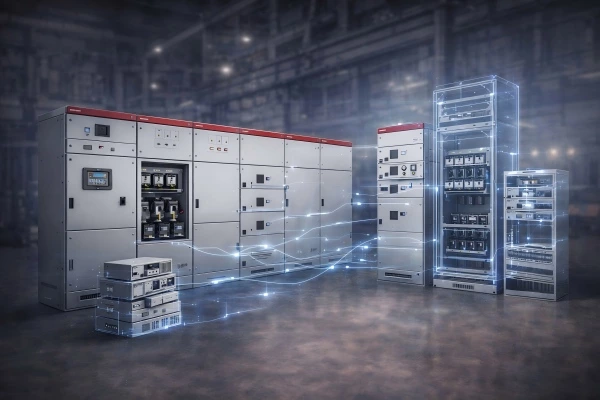
LV switchgear is increasingly designed with:
- Modular structures
- Expandable configurations
- Standardized units
This allows systems to grow with project needs and reduces the cost of future upgrades.
🔹 Trend 6: Enhanced Safety and Reliability
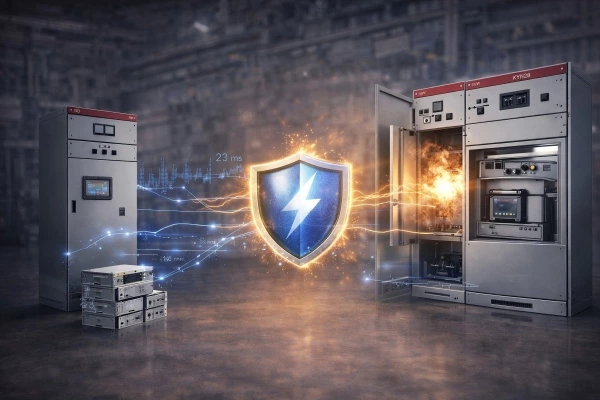
Safety remains a top priority in switchgear development.
Future LV and MV switchgear systems focus on:
- Improved fault detection accuracy
- Faster response times
- Reduced risk of electrical accidents
Advanced designs aim to minimize operational risks while ensuring continuous system performance.
🔹 Trend 7: Lifecycle Optimization and Predictive Maintenance
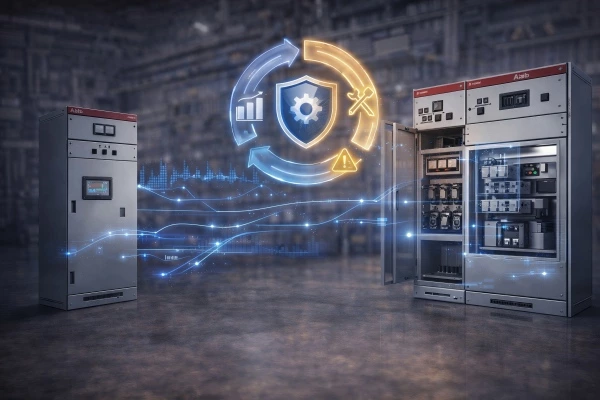
Another important trend is the shift toward lifecycle management.
Modern LV switchgear systems are designed to:
- Monitor equipment condition over time
- Predict maintenance requirements
- Reduce unexpected failures
This approach improves reliability and lowers long-term operational costs.
🔹 Industry Outlook
As industries continue to adopt automation, digitalization, and renewable energy, the demand for advanced LV and MV switchgear will continue to grow.
Future systems will not only distribute power but also:
- Provide intelligent insights
- Enable remote management
- Support sustainable energy strategies
Conclusion
Low voltage switchgear (LV switchgear) is essential for modern power distribution systems. Understanding its types, functions, and selection principles helps ensure reliable, efficient, and future-ready electrical infrastructure across industrial and commercial applications.
Summary
This article provides a comprehensive overview of low voltage switchgear (LV switchgear), covering its definition, working principles, main types, components, and industry applications. It explains the key differences between LV switchgear and distribution boards, as well as the comparison between draw-out and fixed-type structures. The guide also highlights intelligent switchgear functions such as real-time monitoring, remote control, and predictive maintenance. In addition, practical selection strategies are introduced to help decision-makers evaluate system requirements, cost factors, and future scalability. Finally, the article outlines future trends in LV and MV switchgear, including digitalization, system integration, and energy efficiency. Overall, it serves as a practical and professional reference for engineers, contractors, and buyers seeking reliable and cost-effective power distribution solutions.
🔹 FAQ: Low Voltage Switchgear
❓ What is low voltage switchgear used for?
Low voltage switchgear (LV switchgear) is used to control and distribute electrical power in systems operating up to 1000V AC. It ensures safe and stable power delivery across industrial, commercial, and infrastructure applications.
❓ What is the difference between low voltage switchgear and a switchboard?
The main difference is that low voltage switchgear is a complete system-level assembly with advanced control and protection, while a switchboard is typically a simpler distribution unit with limited functionality.
❓ What are the main types of low voltage switchgear?
The main types of low voltage switchgear include:
- Fixed type LV switchgear
- Drawer type (modular) LV switchgear
- Plug-in or withdrawable LV switchgear
Each type offers different levels of flexibility, maintenance convenience, and cost.
❓ How does low voltage switchgear work?
Low voltage switchgear works by receiving electrical power, distributing it through controlled paths, and managing circuit connection and disconnection based on system conditions.
❓ What are the main components of LV switchgear?
Typical components of low voltage switchgear include:
- Circuit breakers
- Busbars
- Protection devices
- Control and monitoring units
- Enclosures and terminals
Each component contributes to overall system stability and performance.
❓ How to choose the right low voltage switchgear?
To select suitable low voltage switchgear, consider:
- Electrical load and system capacity
- Structural type (fixed or draw-out)
- Installation environment
- Compliance with standards
- Supplier capability and cost
A balanced evaluation ensures long-term reliability and cost efficiency.
❓ What is the difference between draw-out and fixed-type LV switchgear?
Draw-out LV switchgear → high flexibility, easy maintenance, higher cost
Fixed-type LV switchgear → simpler design, lower cost, limited flexibility
The choice depends on system requirements and budget.
❓ What are the advantages of intelligent low voltage switchgear?
Intelligent LV switchgear provides:
- Real-time monitoring
- Remote control
- Fault detection and alerts
- Energy management
- Predictive maintenance
These features improve efficiency and reduce operational risks.
❓ What affects the price of low voltage switchgear?
The cost of low voltage switchgear depends on:
- System capacity and configuration
- Component brands
- Structural type (fixed or modular)
- Customization requirements
- Transportation and installation
❓ Which industries use low voltage switchgear?
Low voltage switchgear is widely used in:
- Industrial manufacturing
- Commercial buildings
- Energy and renewable projects
- Infrastructure and utilities